

What Wine Glass Should I Use?
A wine glass with a large bowl should be used for full-bodied red wines like Cabernet Sauvignon and Shiraz as it helps aerate the wine and accentuate its flavours. Whereas a white wine glass has a larger rim to help guide its flavours to the tip of your tongue, they’re also made with a longer stem to make the glass easier to hold and keep your wine chilled.
So whether you’re serving a full-bodied red alongside a roast lamb lunch, or a dry white wine with rich, creamy blue cheese, it’s important to remember the glass you serve your wine in has a huge impact on its flavour.
Types of Wine Glasses
Red Wine Glasses
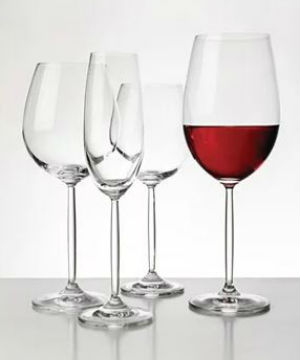
Red wine glasses should be larger in order to increase the wine’s contact with air. The wine is able to breathe which brings out the complexities of the flavours and fragrances.
You can generally use one type of glass for red wines such as Pinot Noir. But bigger-flavoured reds benefit from a larger glass because the greater surface area in the bowl allows more complexities to emerge.
White Wine Glasses
You’ll notice white wine glasses are more U-shaped than red, and that’s because you’ll want your wine to stay chilled while it releases its aromas.
Young white wines suit glasses with a slightly larger opening as it helps you detect the sweetness of the wine with the tip of your tongue. Whereas mature whites are best served in straighter glasses as it guides the wine to the back of your tongue so you can detect the bolder flavours.
What's the difference between red and white wine glasses?
There’s a wine glass suitable for red wine, and one that suits white, and it’s mainly down to one being larger than the other.
Both red and white wine glasses should ideally have a slight taper toward the rim to concentrate the perfume of the wine. They should also have an opening large enough to allow your nose access to the bowl as the fragrance of the wine makes up about 70% of taste.
Champagne Glasses
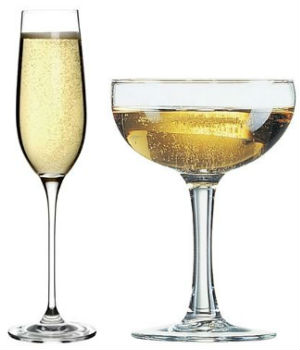
We have two types of champagne glasses available, the champagne flute and the saucer.
Champagne flutes are designed with a taller, narrower bowl that highlights the complexity of your sparkling wine. The narrow opening holds the carbonation for longer and guides the wine to the tip of your tongue so you get all the flavours.
Champagne saucers have shorter, wider bowls than flutes. The traditional glasses don’t hold the carbonation of your drink so well, but they’re great for creating theatre – with event caterers choosing to create eye-catching coupe stacks at wedding receptions.
Brandy & Sherry Glasses
The standard brandy glass should be tulip-shaped and not much more than 10cm deep. The tulip shape concentrates the aromas by trapping them inside the glass, while the rounded bottom makes it easy to cup the glass in one hand so you can warm the brandy.
And much like a brandy glass, a sherry glass is made in a tulip shape so you can focus on the aroma too. You’ll need to let the sherry breathe so it’s important your staff don’t overfill the glass.

Article: Avoid breakages, prevent etching and learn how to properly clean your glassware with our guide on caring for your glassware.
How Wine Glasses Are Made
Wine glasses are made in two ways:
- One-piece glassware is pulled and drawn to create one complete wine glass. They tend to be more durable than two-piece glassware.
- Two-piece glassware is made from two separate parts of glass that have been moulded together during the manufacturing process. These glasses tend to be cheaper than your high-end crystal glassware.
There are also two finishes to the rim:
- Rolled edges give your glasses additional strength so they’re less likely to chip, which is exactly what you want when you’re looking for long lasting wine glasses.
- The crack off technique finishes the rim with a very fine and delicate edge, which is why you’ll find this finish on most high-end glassware.
Wine Glass Materials
Glass

- Glass is one of the most popular materials as it’s less expensive, which is great when you’re buying in bulk.
- It’s generally made with a thicker bowl, so it’s very durable.
- And its non-porous construction means its glasswasher safe.
Crystal
- Crystal, also known as lead glass, is a type of glass that contains at least 24% lead.
- It refracts light which means it has a great shine to it – hence the name crystal.
- It’s more durable so the rim can be made very thin, and that gives each wine glass a high-end feel.
- It’s normally recommended that you handwash crystal – but as our crystal wine glasses are lead-free, you can safely clean them in a glasswasher.
- Olympia wine glasses are some of the best glass and crystal glasses in the market today. Their range is varied, with so many different styles and capacities available, and caters for all budgets.
TIP: The main difference between glass and crystal is their lead content. Lead increases the weight of crystal glassware and causes it to diffract light. But there’s been a shift from lead crystal to the unleaded alternative which still accentuates the flavours and aromas in your wine and is more suitable to bars and restaurants.
Toughened Glassware
- Toughened glass, also known as tempered glass, can be up to four times stronger than other materials on the market.
- If and when it does break, it’ll fragment into small pieces rather than sharp shards, making it a safe choice in busy bars.
- Arcoroc wine glasses are made with toughened glass which has made them popular with bars and restaurants that need glassware with that added strength.
Kwarx
- Kwarx is known for its extreme durability, lustre and transparency.
- It can withstand in excess of two thousand cycles in a glasswasher, and it’ll maintain its glisten.
- These Chef and Sommelier wine glasses are perfect for fine-dining restaurants. Their elegant long stem and large bowl accentuate the flavours in red wines.
Crystalline
- Crystalline glassware is a great alternative to lead crystal. Although lead crystal is known for its clarity, studies have found that no amount of lead is safe to consume.
- Which is why we now have crystalline, this lead-free crystal is made from minerals that enhance its clarity and add superior strength.
- Stolzle wine glasses are made with a single piece of crystalline glass. Their range is made up of glasses suitable for serving both red and white wines.
How to Serve Wine
When it comes to serving wine you should never hold the bowl of the glass. That’s because you don’t want to spoil the look of the wine with fingerprints, so what do you do? Hold the foot and tilt the wine glass at an angle while you pour, and take care not to rest the bottle tip on to the glass. However, if you do need to polish your glassware, you can do so with a glass cleaning cloth.
You should hold a wine glass by gripping the bottom of the stem between your thumb and forefinger. This is so your wine stays cooler for longer, so you could argue this rule doesn’t apply to red wines as your customers are more likely to drink them at room temperature.
How many mls are there in a glass of wine? A standard serving of wine is usually 100ml, but the average restaurant serving is 150ml. We sell lined wine glasses that make portion control easy, or you can use a jigger to measure for yourself.
Using a Wine Decanter
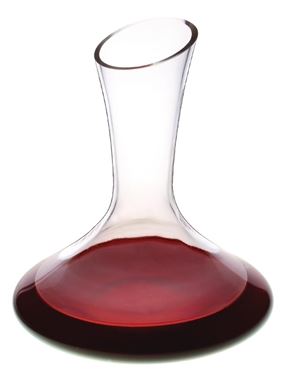
Decanting wine is used to:
- Separate aged wine from sediment that’s collected in the bottle. Sediment can alter the look of the wine in your glass, and can make the wine taste more astringent.
- Aerate young wine. When you slowly pour the bottle into the wine decanter you’re helping the wine take in oxygen, and that helps open up the aromas and flavours in full-bodied wines like Cabernet Sauvignon.
How to Decant Wine
- First stand the bottle upright for around twenty-four hours. The finer the sediment, the longer it takes to settle.
- After opening the bottle, wipe the lip clean before carefully and slowly pouring the wine into a decanter.
- You should have a light shining behind the bottle so you can watch the sediment accumulating in the lower shoulder of the bottle, if any begins to enter the neck, stop pouring.
- If you’re intent on salvaging all the wine, we suggest filtering the remainder through clean a muslin cloth or coffee filter.
Using a Wine Bucket
Champagne, white wine and dessert wines need to be served chilled. And using a wine bucket is the best way to keep bottles cool when customers have ordered a bottle of wine to their table.
The bucket shouldn’t be filled with just ice cubes though. The bottle will be left standing on top of the ice, which won’t chill it at all. Instead, fill half the bucket with ice and add water. If there’s still room once you add the bottle, you can add more water. Wine at about 18-20 degrees will take as long as two hours to cool to 10 degrees in a wine fridge, but can be as quick as 30 minutes using ice and water.
TIP: If you need to chill champagne or prosecco fast you can do so by adding salt to the water in your wine bucket. Salt upsets the balance between the freezing temperature of water and the melting temperature of ice, so the ice chills the salted water below the regular freezing point. All you need to do is dissolve a tablespoon of salt in a small amount of warm water, then add the ice and cool water as normal.
Article: Whether you’re serving wine, beer or sophisticated cocktails, make sure you have all the right equipment for serving drinks with our essential bar supplies guide.
Storing Your Wine Glasses
How you store your wine glasses depends on the space you have available. Proper storage reduces the likelihood of your glasses chipping, but also keeps them easily accessible for your bar staff.
There are two ways to store your wine glasses:
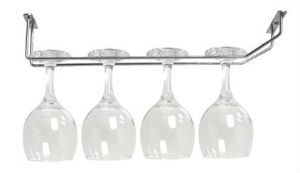
- Shelf liners are ideal for storing your wine glasses straight on the shelf. They cushion the rim of the glass and also speed up the drying process. Plus, they can be cut to size to suit your shelves.
- Wine racks are used for storing long stemmed glassware. They keep your wine glasses in arm’s reach, making it easy for your bar staff to serve your customers quickly.
Wine racks are one of the best ways to protect bottles if they’re not already stored in a wine fridge. Wine racks can either be freestanding or fitted to the wall, holding up to 90 bottles at a time. And you’re able to store all your bottles in one place so staff can easily do a stock check.
TIP: Storing wine glasses upside down prevents dust settling in the bowl. But you should always use a glass cloth to polish your glassware before you use it.