
The Veganuary Switch: Your Guide to Vegan Catering
Veganism is on the rise. Meats are increasingly being substituted by jackfruit, seitan, tofu and tempe. Instead of milk, the common choices are oat, soy or almond milk. Yogurt has found its haven in coconut yoghurt, eggs in scrambled tofu and flaxseed has helped introduce a new way of baking.
The line-up of alternatives is never-ending. But being vegan also means an absolute zero consumption of animal products - many vegans don't even eat honey because it's made by bees.
While plastics spearheaded the sustainability talkfest for much of 2018, a quieter uprising had been happening around food since 2014. After #DryJuly, #SugarFreeSeptember and #SoberOctober, Veganuary is the new event that Millennials and Gen Zs are hosting as part of self-improvement and charity programs.
What is Veganuary?
Launched in the UK in 2014, Veganuary is described as "a global charity that encourages people to try vegan for January". A fringe movement that went mainstream, Veganuary has inspired and supported around one million people in 192 countries to try veganism throughout the first month of the year - and beyond.
With 24.2 million mentions online so far this year according to Brandwatch, 'Veganuary' has indefinitely skyrocketed in popularity. Arch-vegans will say plant-based living is for life, not just for January, but Veganuary persists, and it grows bigger by the year.
Eating clean has never been so popular, and wilful Millennials love to share their rigorous commitment to avocado toast, defying traits of their parents' generation - including grocery buying habits and eating ethically and empathetically in restaurants and fast food outlets at a higher price point.
It's no surprise that Gen Zs endorse the plant-based baton, abandoning brands that sell animal products and are struggling to adapt to their expectations. According to an article on glossy.co, studies suggest that 80% of Gen-Zers expect to consume fewer animal-related products in the coming year, over 30% intend to be on entirely meat-free diets by 2021 and 44% think being vegan is cooler than smoking.
Why a Vegan Menu is Important For Your Business
As per Google Trends, in 2016 Australia topped Google’s worldwide searches for the word 'vegan'. What’s more, according to Euromonitor, between 2015 and 2020 Australia is projected to continue as the third-fastest-growing vegan market in the world at 9.6% growth, with Australia’s packaged vegan food market set to reach $215 million soon.
And it reaps a lot of happy customers! Tenzo, a restaurant analytics platform, found that UK sales of vegetarian and vegan meals increase by 2.1% in the first week of January across fast casual and quick service restaurants, compared to the first week of December.
This increase appears to occur when the restaurant has a larger variety of vegan dishes. It demonstrates a preference for a variety of meals to choose from, instead of just one or two options as well as time taken to peruse menus before deciding where to eat.
Veganuary makes the competitive space of fast food even more intense. How is your business adapting to this shift in consumer tastes and behaviour? How do you make the switch for Veganuary? What is a vegan diet? Do you know how to be a vegan restaurant? What are some important veganism facts in Australia to know? Let's get enlightened.
Veganism vs Vegetarianism
According to Animals Australia, 12.1% of the Australian population are now eating all or almost all vegetarian meals. This 2018 data showed an increase from 1.7 million people in 2012 to 2.5 million six years later. Vegan Australia estimates that around 2% of the population are vegans.
Some will replace the protein lost as a result of meat avoidance by retaining fish in their diets. This sub-group of vegetarianism is known as pescetarianism.
There has also been an increase in the number of 'flexitarians' or 'reducetarians' who want to reduce their meat intake without wanting to adhere to the 'all or nothing' ethos of strict meat avoidance.
Article: Everything you need to know about Restaurant Dietary Requirements and how they affect your business.
Vegan Catering - How Your Business Can Adapt
Introducing a vegan menu isn't as complicated or daunting as you may think. There are several simple changes you can make to embrace the vegan catering culture and tap into a whole new customer base. These three tips will get you started.
Create a vegan spirit in your kitchen
Australian Financial Review Food Editor and director of Australia's Top Restaurants Awards, Jill Dupleix, shared how, as compared to bygone days, fine dining chefs get enthusiastic by veganism because it opens a whole new arena for an explosion of creativity with new ingredients such as amaranth seeds, sweet potato and portobello mushrooms.
The young emerging market loves having a vegan burger in which oyster mushrooms replaces pulled pork. This has made vegan food fun to eat and full of flavour - and more exciting than a steaming hot steak on a plate.
After all, today's vegan doesn't expect to show up at a restaurant for simply salad, hummus, pasta and a sad pile of couscous. Vegans respond positively to the invite for interesting and satiating food items like tacos, nachos, pizza, and sandwiches. Vegans do revel in sinking their teeth in food!
So, ponder on the menu items your non-vegan customers enjoy, and decipher a way to veganise them. Vegan recipes are a must in the coming year.
Innovate your existing menu at no extra cost
A simple way to better provide for vegans is looking at modifying what's already on the menu. That's the advice from Allison Taylor, the Director of Brand Development and Training at Daily Jam. Indeed, looking at what dishes have no or less meat eases the process of developing plant based diet recipes.
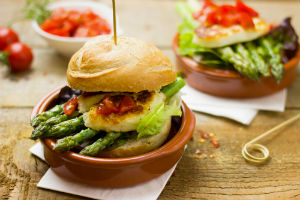
Or, if you aren't ready to exclusively redo your menu, you can offer an effective substitute - adding in more vegetables and removing the meat and dairy products. A commercial vegetable slicer or veg prep machine can be used with a range of cutting discs to easily create stylish and attention-grabbing ingredients.
Training is also key here for your staff to be empowered in recommending menu items with slight changes to accommodate the vegan customer, as well as being fully aware of terms such as vegan, gluten-free and paleo. This creates a stronger connection with your customers.
Moreover, asking vegans to pay a premium is alienating. When items that the customer isn't receiving are discounted, allowing them to add avocado or vegan meat/cheese for no additional cost would feel a lot fairer.
Think outside the vegan customer base
Keeping your vegan menu exclusively for vegans is a massive missed opportunity. Millennials and Gen Z are label-breakers. Instead of labeling your menu items as exclusively vegan, it's a good idea to include everyone who is simply looking at vegetarian options or to skip animal ingredients for a meal.
After all, as per research by GlobalData, approximately 70% of people are either reducing meat consumption or adopting a fully plant based diet. Not only will you successfully target a larger consumer base, but you'll also be able to actively participate in the colosseum of marketing campaigns that are planet and people-friendly.
How? Special offers on selected vegan items are highly looked at. According to veganuary.com, coupons and special offers listed on Veganuary's website for 2019 received more than 33,000 page views! From February 2018 to January 2019, the Eating Out section on veganuary.com had more than 1.3 million visitors. Furthermore, 28% of the site's survey respondents felt eating out was the biggest challenge as a new vegan.



How to Promote Your Vegan Menu
How do you get the word about your new vegan menu out there? As a food business, it is crucial to not only mark your vegan options and logo clearly on your menu cards, but also promote them on your social media channels and website.
They should also be featured at your point of sales, on your packaging and your window displays - effective food labelling is a must.
In Australia, vegan influencers on Instagram are on the rise. And why? Flexitarians are surfing this wave effectively on social media.
As such, consider hosting an event with invites for media and influencers to promote your new vegan dishes through samplings. This will entice people into your restaurant and provide you with valuable feedback on what they think, as well as broadening your customer base.
For businesses that lent an ear to the upward-spiralling trend and acted, the results speak for themselves. Restaurants in hipster-cached Newtown and Surry Hills went berserk with all forms of vegan switches.
Veganism's surging popularity is a national phenomenon, with plant-based food festivals and businesses booming on an almost weekly basis. In Sydney and Melbourne, there are vegetarian and vegan-friendly restaurants popping up left, right and centre - whether in high or fast streets, be it Bodi Restaurant or Soul Origin, everyone's adapting with incredible speed.
Whether it is because of a demand for transparency, a concern for climate change, a rise in creative cuisine or a worry for animal welfare, veganism is here to stay – especially in Australia. So what are you waiting for? Don't tell us Februdairy!
Article: Learn all about advertising, branding and a range of traditional or digital marketing strategies in this Complete Guide to Restaurant Marketing for more tips on how to get the word out.
Vegan Menu Ideas
The days of placing a stuffed pepper or a vegetable lasagne in one small hidden corner of your menu should be long gone, if you want to appeal to customers who follow a meat-free diet.
Of course, there's nothing wrong with either of those as a well-presented option, but modern-day vegetarians and vegans expect a wider choice of tastes and flavours. Here are some suggestions for vegan ingredients to help you change your menu.
Grains
Protein-packed grains such as quinoa can be used as the base for a whole host of sweet and savoury vegetarian dishes. They work well in salad bowls and can be combined with other ingredients such as black beans to make tasty veggie burgers.
Beans
Beans such as lentils and chickpeas are used in many vegetarian dishes to add depth of consistency and flavour. They have an earthy taste and are often used as a meat substitute in dishes such as veggie cottage pie, chilli, meat-free stew and curry.
Soy
Foods containing cooked soy beans such as tofu and tempeh have a nutty taste and texture. With the help of spices and marinades, high protein soy-based foods can be used to mimic meat in offerings like 'fake' BBQ ribs, stir-fry meals and tacos.
Vegetables
It may sound obvious, but vegetables can be the base for great dishes by simply adding a few spices or a tasty cheese sauce. Meals like cauliflower cheese, a simple mushroom lasagne or frittatas can be marketed as premium dishes if they are done well and produced with high quality or locally sourced ingredients.
TIP: If you're handling meat and meat-free products in the same kitchen, it is essential to keep all your equipment separate. Using a colour-coded system is a simple but highly effective way to eliminate the risk of cross contamination. These chopping board sets can be used with colour-coded utensils and other equipment.