
Single Phase or 3 Phase Power?
Power. It’s the one thing all kitchen appliances have in common, no matter what shape or size. From cookers and combi ovens to blenders and blast chillers, every machine in your kitchen requires either a gas or electrical connection.
When it comes to buying electrical catering appliances, there is one question we get asked more than any other... "What is the difference between single phase and 3 phase power?" Power requirements can vary greatly between machines, particularly in commercial kitchens where larger and more powerful units are required to cope with the heavy demands of daily professional use. Before buying, it is extremely important to understand the differences to make sure your next investment is an asset to your kitchen.
Remember, if you’re in any doubt at all about your kitchen power requirements, we highly recommend consulting a qualified electrician. They will be able to offer advice as to which appliances would be suitable for use in your kitchen.
SHOP ALL CATERING APPLIANCES
Single Phase vs 3 Phase
To quickly summarise, single phase power has just one live wire, while 3 phase power uses three active wires. Both supplies will also have a neutral wire and, in almost all cases, an earth wire as well.
With three live wires, 3 phase power supplies a more constant and reliable current which is able to cope with the larger and more powerful industrial appliances such as commercial catering machines.
What is Single Phase Power?
To meet Australia power voltage requirements, single phase electricity is usually connected at 230 volts (240 volts is still used in Western Australia and Queensland, although the latter has started the transition to 230V). Any single phase machine up to a 10 amp current will usually (not always) have a standard three-pin plug fitted. In Australia, a 10A plug is the standard domestic choice, but many 15A appliances can also be used with a 15A three-pin plug.
A 15A three-pin plug will have a slightly larger ground pin and will not fit into a 10A outlet. However a 10A plug, with its narrower ground pin, will fit into a 15A outlet. There are also variants for 20A, 25A and 32A single phase outlets, although these are generally only found in heavy duty industrial settings.
Single phase appliances with a higher current will not be supplied with a domestic plug. They may not even have a power lead. These machines will need to be hardwired to a suitable power supply, carried out by a professional electrician.
What is 3 Phase Power?
3 phase power is more commonly used in industrial or commercial settings where more powerful appliances are used. 3 phase machines requiring a 400/415V electricity connection are generally hardwired too. Again, we recommend seeking professional advice from an electrician to make sure these powerful appliances are suitable for your electrical supply prior to purchase.
TIP: Always check the product specifications thoroughly before buying a machine. At first glance, it’s not always obvious whether an appliance requires single phase or three phase power.

What Are Amps?
All electrical appliances will have an ampere rating. Often shortened to 'amps' or simply 'A', this is the measure of electrical current that a machine uses when it's running at full power.
For example, smaller kitchen appliances such as this Birko toaster have a 10A ampere rating. This means it is a single phase machine, using a 10A plug fitted with a fuse to protect against electrical surges.
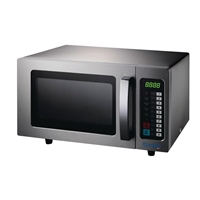
A slightly more powerful machine like this 2100W Robatherm commercial microwave is also single phase, but comes with a 15A plug fitted.
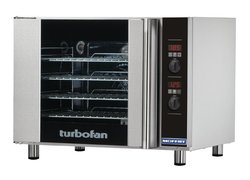
A much more powerful oven such as the Woodson conveyor oven requires nearly double the power - 25 amps. It is not supplied with a plug or lead, so will require a hardwired connection carried out by a professional electrician.
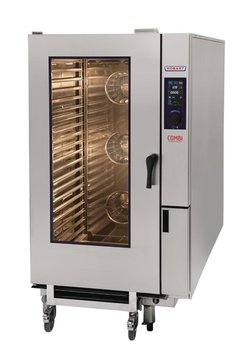
At the highest end of the scale, incredibly powerful machines such as this Hobart Combi Oven requires 415V and needs to hardwired to a three phase power supply by a qualified professional.
TIP: Before purchase, make sure you know the maximum load of your commercial kitchen’s electric circuit. This is the total amount of amps that it can cope with before being overloaded. You’ll need to be sure running your new appliance will not exceed the maximum load.




Single Phase or 3 Phase Appliances - Which Should I Choose?
While 3 phase electricity generates more power and is generally a smoother and more reliable supply, your kitchen may not be able to cope with the demands of running a full 3 phase machine. So rather than thinking of which supply is 'best', you should instead consider which will be most efficient to run in your venue. Whether they require single phase or 3 phase power, every machine in our range has been designed for use in the professional kitchen.
Check the existing setup in your kitchen, and see which machines you already have installed. If the majority of them are single phase or plugged in, you can usually replace the appliances like-for-like with similarly rated machines. However, it is always good practice to check the electricity ratings (volts, watts, amps) of the appliance you are considering replacing, before buying a new model.
If the majority of your kitchen machinery is hardwired, you may well have a three phase power connection. Check the user manuals of existing appliances to see how much power they draw or, if you can't find the manual, visit the manufacturer's website. Some machines will also have a rating plate that displays this information.
The best solution is to either replace your machine with a new version of the exact same model, or try to reduce the load on your electricity circuit. It is highly recommended to request professional advice from a qualified electrician before buying new kitchen appliances. This is even more crucial if you are setting up your commercial kitchen for the first time.
TIP: Reducing the load will not only ease the strain on your kitchen's electricity circuit - it will also reduce your energy bills too.
Single Phase vs 3 Phase Power - FAQs
What happens if I choose the wrong power type?
You probably won't be able to connect the machine at all. Three phase hardwired appliances are not supplied with a plug. If your kitchen is hardwired throughout, there might not be any 10A or 15A outlets fitted for you to plug in your single phase machines.
How do I know if I have 3 phase power?
Check the connection of your current appliances. If the majority are hardwired, check the user manuals or visit the manufacturer websites to see how much power they require. Your appliances may also have rating plates with this information.
I’ve bought a 3 phase appliance. Can I just fit a plug onto it?
Absolutely not. The appliance will not function correctly or safely, and you will invalidate your warranty.
What is 2 phase power?
Simply put, 2 phase power is just a cut-down 3 phase supply which uses two live wires instead of three. While 2 phase power is fairly rare within the professional catering industry, some manufacturers do design appliances that can operate on a 2 phase power supply.
My new appliance keeps tripping the fuses in the circuit board. Why?
Don't assume that the machine has a fault. Of course, it's always possible, but a likely reason is that your electricity circuits are being overloaded. If you've recently had a new appliance installed, check to see if its power rating differs from the machine it replaced. If it's more powerful, your circuits may not be able to cope. Consult the user manual, and seek the advice of a professional electrician.
What other ways can I reduce the load on the electricity circuits?
Consider buying multi-purpose appliances. While a commercial combi oven may draw lots of power, it can still be less than using multiple convection ovens and steam ovens simultaneously.
Remember, for most products we offer a hassle-free 30-day returns policy with a full refund as long as the item is unused and still in its original packaging. Please be aware that larger items may be subject to a restocking fee. Check our Terms & Conditions for more information.