
The Rising Trend of Tablescaping
Plating and table setting may come across as old-school concepts, however, with the ongoing struggles of a pandemic and a surge in time spent at home, getting back to the basic pleasures of life seems to have returned in a big way!
After procrasti-baking, tablescaping is the new silver lining in town. After all, why limit your sense of style and creative energy to your wardrobes, when you can display the same flair for aesthetics in your dining room?
As usual, Instagram has given wind to the wings of this phenomenon. It's an opportunity for many millennials to perennially establish and uphold their sense of identity, and it's the perfect excuse to flaunt those skills.
What is Tablescaping?
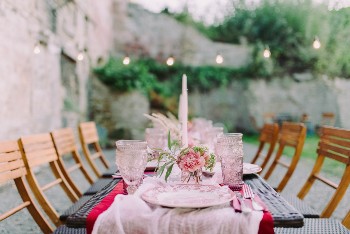
Tablescaping is the art of styling a dining table. Gaining huge popularity on Instagram and Pinterest, this new tablescape trend sees social media users take great pride and pleasure in sharing their table settings. It can involve colour schemes, themes, decorations and centrepieces, as well as crockery and cutlery. You've all heard of landscaping - well, this new trend brings the same concept to your dining table!
The Art and Science of Tablescaping
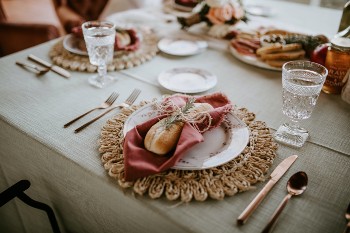
According to Maison Balzac director Elise Pioch Balzac, no one can make any mistake in styling a dining table. Everyday tablescapes are not just about deciding which fork, knife or spoon to place, and where.
It may be a cliché that we eat with our eyes, but there is an element of truth to it. The results of the various research studies clearly demonstrate that tableware can contribute to the diner's enjoyment and overall multisensory 'dining out' experience.
"The first taste is always with the eyes". While this has always been the case, a CAS article on Foodpractice.com talks of new research that suggests the environment surrounding a meal has both objective and subjective benefits.
For example, it found that more nutrients are absorbed by the body when the meal is served in pleasurable surroundings, such as an Instagram-worthy restaurant than when the same meal is eaten in a neutral or unpleasant setting. Tablescaping is a whole world in itself.
How to Start Tablescaping
1) Table Setting and Theme
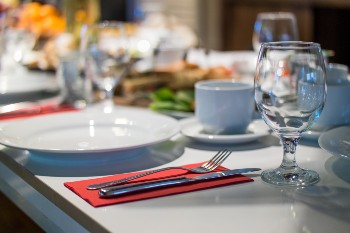
You cannot possibly start tablescaping without a theme. First, pick your theme and let that guide your choice of colour schemes, patterns and space occupation.
- Destination as Inspiration: Start by making an inspiration board or select some pins from Pinterest. The first reference that can guide you is a favourite destination. Imagine the feeling behind a beautiful alfresco dinner in Italy or that copious picnic in the sunflower fields of Byron Bay. Don't let the idea that a theme has to be fancy be a hindrance in your creative process.
- Interaction as Guide: Think about the kind of conversations and interactions you would love to have over the table for the short time your guests have gathered. For instance, if you want your guests to talk a lot and mingle despite being just acquaintances, think about putting a limited amount of carafe, napkin and condiment sets on the table to encourage more interaction.
- Cuisine as Ambience: Selecting the theme as per the cuisine you're serving is a powerful way to make a statement. For example, you can serve Asian cuisine in a traditional manner with small individual bowls. Or maybe you want to serve your food buffet style? There might not even be any need to have food garnishing or plate presentation.
2) Plating, Cutlery and Food Placement
This is where the pressure may build up. Plating is the most important part of everyday tablescapes. It cannot be too much, but should not be too little either. Food plating involves the choice of plate in question, and eventually how the food is presented on the plate.
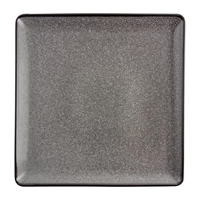
The choice of plate is a powerful way to set the tone of the whole table. A dinner plate is like a canvas, so you'll have to consider the colour, size and shape depending on the food being served.
Choosing the Perfect Plate and Cutlery for Tablescaping
Of course, the style of plate chosen as well as the material depends on the casual or formal tone of the event.
The sense of colour and size will depend on the colour of the food and the amount of food being served. As is common knowledge amongst cooking enthusiasts, the food placed on a plate shouldn't be so much that the plate looks small, but also shouldn't be so little that the plate appears big.
While those are things most of us have a clear sense of, most tablescaping aficionados tend to instead focus on either the material or the shape of the plate primarily.
- Material: Go for bamboo plates if you want to set a more rustic and eco-friendly tone to your lunch or dinner, but don't want to go for paper plates. You can opt for porcelain for a heightened sense of elegance and a gourmet plate presentation. Also, ceramic is a good choice for adding something a bit more casual to your holiday tablescape.
- Shape: In this age of personalisation, several hosts are choosing custom-made plates and personalised napkins to bring a signature look to their table setup. Architecturally unique designs with a more artistic flair than classic round plates tend to function well in adding that wow factor to styling a dining table.
TIP: Looking for ideas and inspiration? Check out our Crockery Centre to see some of our latest and greatest dinnerware collections. From classic whiteware to contemporary artisan designs, you'll be sure to find a new look here.
Getting the Perfect Food Placement
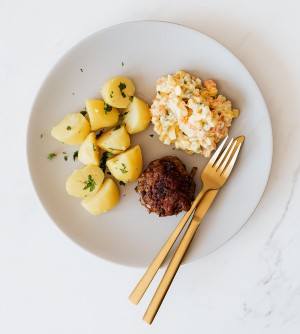
With your canvas chosen, it is time to decide how the centrepiece of the evening will sit on its bed. Indeed, any food pundit will know that the way we place ingredients on the desired plate will make or break the harmony of the initial concept.
- Use the famous 'clock guidelines' and imagine that your plate is a clock. Then use the following rules for plating:
- Between 12 and 3 - vegetables
- Between 3 and 9 - meat
- Between 9 and 12 - any starches
- Asymmetrical may be the new cool, however symmetry is more attractive to the human eye.
- White space is not a weakness. Instead you can attempt creating clean negative spaces. They make more sophisticated placement.
- As a rule of thumb, place any moist ingredients such as purees or mashed potatoes first. Keeping anything flowy for the last minute addition always ruins the whole picture.
- Observe the charms of the odd numbers. Serve breads, raviolis or any food items in threes or fives.
3) Centrepiece and Decorations
Contrary to popular belief, what you choose to make the centrepiece has a less important contribution to the meal when compared to the two previous elements. Nonetheless, it is important to tick this box off the list to avoid your spread looking incomplete.
- Flowers: Whether they are dried or fresh, flowers are the most common centerpiece that brings floral tablescapes to life. This is simply because they engage most senses - the visual, olfactory and tactile senses.
- Vase, Jar, Bowl or Basket: Using a vase alone, especially when they have their own unique patterns, work well when creating visual happiness. Filling them up with the most unexpected objects like fruits or ornaments help jazz it up - especially if they are transparent or of a solid colour.
- Wine Bottles: If you're serving wine, showcasing your wine bottles as a centrepiece encourages an intelligent interaction. It's also a great conversation-starter too!
- Candles: Candles are a classic replacement for flowers, and they can be reused elsewhere after the dinner or lunch in question. Since the height is adjustable, candles tend to be an easy option while also spreading your favourite fragrance.
Reduced Price

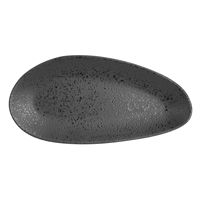
Multibuy savings

Multibuy savings
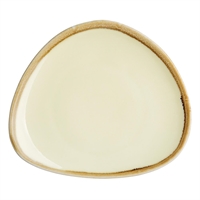
Reduced Price
Hurry Low Stock !
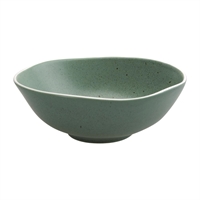
Reduced Price
Multibuy savings
Post-Lockdown Table Manners and Etiquette
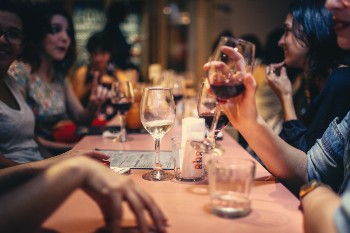
Thanks to social distancing and unbridled screen time during the Covid-19 pandemic, the 'tablescape' hashtag now has over 1.3 million Instagram posts and counting.
While many within the catering industry have been hit hard by lockdown, tablecoths and napkins are up 102% and 109% year on year at Argos. In October 2020, The Guardian reported that the sales of table linen at Selfridges have doubled.
Social distancing rules mean that returning to entertaining guests at home still has to be conducted post-lockdown. So it seems the most stressful thing about hosting a meal is no longer about remembering your guests' dietary restrictions, but rather about wondering what the new dinner party etiquette should be.
When it's safe to do so, these three tips will add that personal and reassuring touch to help you welcome your friends:
- Plan different colours of glassware for each guest. This will ensure no one confuses drinks. You can also attach different coloured ribbons glasses or have coloured stem wine glasses for each guest.
- Having small hand sanitiser bottles on the table can help guests feel cared for, adding to your sense of hospitality.
- Adapt the menu to your table setup so that the food can be served easily without having to pass bowls around.
Make Your Tablescape Instagrammable
From a business standpoint, tablescaping is an undeniable trend. It is a wave restaurants and bars owe themselves to surf.
YouTube and Instagram have democratised audio-visual food consumption. Visual hunger is one of the ways young people express themselves, according to a study called Adolescents' Presentation of Food in Social Media.
In this day and age, your restaurant's tablescape is what's most posted online on Instagram, Snapchat, or in private messages - not necessarily the photobooth you put in a corner of your dining area to attract millennials and Gen Zs.
These subconsciously impact how new customers make their food-eating spot choices. Are you an Instragram-worthy restaurant? It's always the big question in your modern day customer's eyes.
It means tablescaping is important for restaurant and bar marketing because, if it's done well, it guarantees extra exposure. More important, a commercial tablescape also communicates the quality of a catering business - especially in a 'What You See Is What You Get' world.
Happy Tablescaping!
A winning tablescape is rarely achieved on the first attempt. Creative imagination, trial and error, and brainstorming all help contribute towards a successful end result.
Remember that an effective tablescape should be simple enough to execute on even a supremely busy night. And despite it, the final look achieved should be stylish and visually pleasing to all your guests.
A quick-look test is viewing the whole table from the eye of a photographer in order to tweak spots and create a composition that brings together the various elements in a beautiful and sensorial harmony.