A Restaurant's Guide To Dietary Requirements & Restrictions
The food industry is an ever changing environment. In order for you to stay relevant to your customers, you need to be aware of what people are looking for when they choose to eat out. Customers these days are typically educated, conscious and interested in what they are eating.
If you’ve been in the game awhile, it can seem overwhelming to stay on top of new health trends, dietary restrictions and ingredient preferences. Food allergies and intolerances are at an all-time high, and as we become more and more multicultural as a society, it is important to be aware that your clientele may have a range of different requirements.
With that in mind, you can make everyone feel welcome at your table by creating a menu that reflects and respects these requirements. Our essential, easy-to-follow guide will break down the complexities of some common diets. By recognising and understanding shifts in specific modes of eating, you’ll be ready to adapt to the modern market in a way that is sure to reward you in more ways than one.
1. Allergies and Intolerances
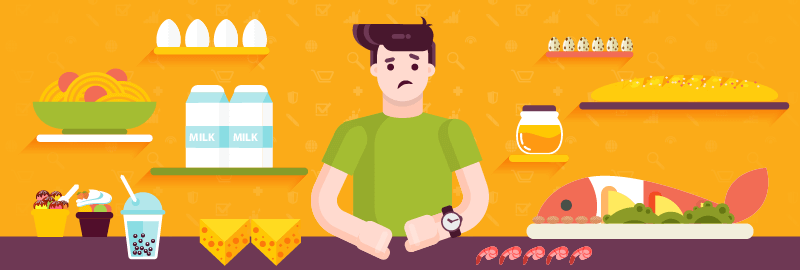
Food sensitivities are on the rise all over the world, with no signs of stabilisation. There are various theories about why they are on the increase. Scientists and health specialists have hypothesised that the over-consumption of processed foods, the Western yeast-heavy diet, pasteurisation, and the widespread use of disinfectants could all be to blame. While there is no consensus on the key cause, there’s a big chance that your establishment will increasingly encounter allergies and intolerances.
What’s the difference between food allergies and intolerances?
Truly understanding the difference between food allergies and food intolerances is important when knowing how to approach each unique situation. It all comes down to how someone’s body reacts to the food.
Food Intolerances
Food intolerances involve a chemical response from the digestive system. Someone with a food intolerance may lack certain enzymes or chemicals that make processing the food difficult. Symptoms can appear soon after consumption, however they can also take 12 to 24 hours to develop. These symptoms can include:
- Stomach pain
- Nausea
- Gas, cramps, or bloating
- Vomiting
- Heartburn
- Diarrhoea
- Headaches
- Change in temperament, often to irritability or anxiousness
Intolerances can result in unpleasant symptoms and if consistently ignored, possible longer term damage.
Food Allergies
In contrast, allergies involve an overactive response from the immune system. People with food allergies create antibodies when they come into contact with the allergen, treating it like a virus or a poison. Typically, symptoms of allergies develop very soon after consuming the food. These symptoms can appear as:
- Stomach pain
- Nausea
- Itchy skin
- Breaking out in a rash or hives
- Heartburn or strong chest pains
- Difficulty breathing
- Diarrhoea
- Swelling of the oesophagus
- Anaphylaxis
Allergies have the potential to cause dangerous and life-threatening reactions, especially in severe cases.
The most common food allergies include peanuts, tree nuts (such as walnuts and pecans), fish, shellfish, eggs, milk protein, bee products, soy, corn and wheat.
Gluten
Gluten is a mixture of proteins found in certain grains such as wheat, barley, rye, spelt, kamut, triticale and most oats.
Known for its elasticating properties, gluten is what gives bounce to bread and a chew to pasta. This makes it much loved in the kitchen, however sensitivities are surprisingly common.
‘Gluten-related disorders’ is a term that sums up all diseases triggered by gluten. Coeliac disease is the most well known, with other gluten-related disorders including wheat allergies and gluten sensitivities. For someone with coeliac disease, studies have shown that as little as 24mg of gluten (as found in a crumb of conventional wheat bread) can cause damage to the intestine. If not managed properly, this can cause major health problems in the long run.
Dairy
Dairy is any product that derives from animal milk.
This means of course milk itself, cheese, cream, yoghurt, butter and whey. However, milk derivatives also show up in a great variety of pre-packaged and processed foods. Caseinates, whey protein, milk protein and milk solids are all things you might find on an ingredient list.
The most common dairy sensitivity is lactose intolerance, which is when the body lacks the enzymes required to process lactose, a sugar found naturally in milk. Though it does not cause damage to the gastrointestinal tract, it can cause uncomfortable symptoms such as stomach pain, bloating, diarrhoea, and nausea. Levels of sensitivity vary, with some sufferers being able to tolerate butter and some cheeses (which are lower in in lactose than milk).
Milk allergies on the other hand are most frequently due to the proteins casein and whey. As with all allergies, symptoms may be mild or severe and life threatening.
How can I cater for food allergies and intolerances?
The severity and specifications around different allergies and intolerances vary wildly. When it comes to allergies it is safest not to assume anything, so always communicate and encourage guests to share their dietary needs well in advance. Educating your staff properly is going to help things run smoother and hopefully prevent any avoidable situations.
In the kitchen it is important to think beyond just the product itself. For example, if someone has a fish allergy, consider whether fish sauce is being used in anything. Oils from certain nuts, or oil that has been contaminated by other foods are also obvious risks. Your chef needs to be conscious of all ingredients and their components.
When creating or updating your menu, keep in mind the most common culprits for allergies and intolerances. Marking certain dishes on the menu with information such as dairy free (DF), or gluten free (GF) will be helpful for guests, and at least let them know that your establishment is open to their needs. If you can, offer alternatives for certain dishes, such as “Gluten-Free Available”. Though, it is imperative that you stick by your labelling.
It is worth having separate equipment to cater for people with food allergies or intolerances. You might consider an extra sandwich press, deep fryer, and kitchen utensils such as chefs knives that are clearly marked. Use a clear food labelling system to keep track of all ingredients in your kitchen. The proper cleaning of kitchen equipment such as food processors is also absolutely important to avoid cross-contamination.
Article: Whether your kitchen is catering for vegans as well as meat eaters or you're adding gluten free options to your menu, all good food preparation starts with your mise-en-place.
It might be controversial, but turning down custom when you don’t feel capable of satisfying someone’s requirements is definitely an option. Of course most people who suffer from sensitivities will be very conscious of what their limits are, but if you suspect there is a high risk of danger, it’s better to be safe than sorry.

2. Diets
Humans come in all flavours, and so do their diets. Many people choose to follow a specific diet for health reasons, a personal belief system, or simply because they don’t enjoy certain foods. Other reasons influencing food choices may include trends, health goals or ethical reasons such as wanting to reduce environmental impact or animal suffering.
While it may not be possible to accommodate everyone, especially if you are working within a limited kitchen space, do try to have options for everyone where possible. If you understand the basics of common diets, it is often very simple to adapt a dish by leaving out or substituting ingredients.
Here is a brief run-down of some diets you are likely to come across:Vegetarian
Vegetarianism is growing in Australia every year. Increased knowledge of the health benefits of plant based diets, and a strong ethical and environmental movement have also made vegetarian cuisine very appealing to omnivores. Having a tasty vegetarian option or two (at least) on any menu is a great way of offering more choice for all customers, not just those following specific diets.
TIP: When preparing food for vegetarians, be on the lookout for products that contain any hidden meat by-products such as rennet (found in some cheeses), gelatin and lard.
Vegan
Similar to vegetarians, vegans do not eat any meat products: so red and white meat, poultry and seafood are off the menu. Unlike vegetarians however, other animal products such as eggs, dairy and honey are also not eaten.
If you’ve never cooked for vegans before, it may seem like a bit of a challenge but with some organisation and creativity it is actually fairly straightforward. Foods such as mushroom, eggplant, sweet potatoes and avocados are all substantial ingredients that are often used in vegan cooking. Other ingredients such as tofu, tempeh, nuts and lentils also provide protein and flavour.
TIP: A good vegan meal is versatile, and can happily feed vegetarians, anyone dairy free, those with religious or cultural dietary restrictions, and just people who enjoy tasty, fresh food.
Paleo
The paleo diet aims to be the antithesis to the post-industrial diet. It cuts out overly processed foods filled with refined oils and sugars in order to avoid the chronic diseases of modern times like cancer and heart disease. Whether or not the history is exact, “eating like a caveman/woman” is the idea.
There will always be debate on what exactly is paleo, but the diet usually includes fruits, vegetables, meat (ideally from grass-fed sources), seafood, unrefined plant and animal fats, as well as nuts and seeds. Those eating paleo will avoid dairy, grains, legumes or starches, as well as processed foods containing sugar, excess salt and synthetic chemical flavours and preservatives.
Though creating specific paleo-perfect meals might seem unrealistic, the popularity of this diet is more a sign of the times. People are becoming progressively more health conscious and willing to go to the effort for good, quality food.
Religious & Cultural
Many of the world’s religions and cultures follow specific food customs and laws. The degree to which a person's religion or culture affects their diet varies incredibly. Depending on your location and demographic, you may encounter different cultural diets all the time or not at all.
Since meat typically has stricter laws in many religions, having great vegetarian or vegan options will offer something for most diners. For those who refrain from or avoid alcohol, consider expanding your drinks menu to include some unique non-alcoholic choices.
How can I cater to different types of diets?
Create or update your menu to be more appealing to different groups. Having some great vegetarian and vegan options will always be smart, as these are versatile and can be enjoyed by many people on restrictive diets (and by anyone else!). Building dishes from a health perspective is also right on trend, so having wholesome, nutritionally complete meals will no doubt earn you fans as word spreads.
Listing ingredients on your menu and marking with indicators will make it easy for patrons to see straight away if your restaurant has choices for them. Make sure you stick to the information on your menu though, as substitution with certain ingredients and oversights can get you into trouble if you have labelled the menu a certain way.
TIP: Make meals customisable. Adding the choice to pick the main component of a dish, such as meat, halloumi, toasted nuts or grilled mushrooms, means that you can create a substantial meal for all. You could even try offering sides, salads or vegetables in various sizes so they can be enjoyed as a main.
Article: You need to avoid cross contamination in your kitchen when you're catering for different diets. One of the easiest ways to do this is to colour code your kitchen equipment.

3. Dietary Preferences
The final part of our guide to modern eating for restaurateurs will discuss dietary preferences. This is not a set of rules that people will necessarily always stick to, but it is an option they will usually pick when it is presented. Increasingly, modern diners will choose ethically sourced food products that have been cultivated close to home.
The definitions according to Australian laws and consumer guidelines can vary. Some of the below labels have strict growing guidelines that must be adhered to in order to legally use the word.
Organic
Organic food is cultivated without the use of fertilisers, pesticides, or any artificial chemicals. The seeds used to grow the food should also be organic, and the earth used to grow the food should also have been free from chemicals for some time.
TIP: Want to check if your organic food can be considered above board certified organic produce? The Australian Organic Standard is updated every three years to ensure food remains as organic as possible. For more information about Australian organic standards and to see if your products qualify, head here.
Pesticide Free
This label does not have the strict conditions for its use like the word “organic” does.
Pesticide-free means the food has not been treated with synthetic pesticides like insecticides, herbicides, or fungicides. However, the land may have been treated with these chemicals in the last few seasons, or the seeds used may have been genetically modified.
Non-GMO
This refers to foods that have not been genetically modified. In many foods it is difficult to determine, however a lot of attention is placed on soy, corn, canola and sugar beets.
Sustainably Sourced
This means that the food in question was removed from its environment in a way that doesn’t meddle with the overall ecosystem. Sustainably sourced fish is of special concern, as over-fishing can destroy entire food chains and populations.
If you want to check that your seafood is sustainably sourced, you can use Australia’s Sustainable Seafood Guide, a free manual that talks you through the sources of over 90 common types of seafood.
Locally Grown
The “locavore” food movement consists of people interested in eating food that is produced locally, and has not been transported from far away for their consumption. A common definition of local is within 160km (or 100 miles) of a food’s place of growth and its point of purchase or consumption. Australia does not have a clear definition of what constitutes as ‘local’ however, so any labelling might mean from down the road, up to 160km, or within state borders.
There are many benefits to using locally sourced foods. Some of them include boosting the local economy, encouraging diversity in local agriculture, and food that has travelled shorter distances has spent less energy on transit and arrives fresher (and therefore, tastier).
Building connections with local producers or farmers allows you to go straight to the source. This usually means fresh seasonal produce, knowing that the food is coming direct from the farm, and the good feeling of supporting the local economy.
Grass-Fed Beef
Cows that are grass fed are allowed to graze in paddocks for their own fresh food. This is supposed to make for a better-tasting beef, and should be a healthier and more pleasant like for the animal overall. It is also close to a natural diet for the cow. In Australia, around 97% of local beef is grass-fed.
Free-Range Chickens & Eggs
This term has been quite controversial recently. In March 2016, new standards for the free range label stated that up to 10,000 birds can be kept per hectare, and took away the requirement that allowed hens to go outside. Check with your poultry or egg source yourself and use your discretion to decide if the produce is really free range.
How can I cater to different preferences?
While food movements and regulations are forever changing, as someone is the food industry it is of direct interest to stay up to date with any developments and news. Subscribing to industry publications will help you to stay in the loop and aware of bigger issues.
Chat to your suppliers about how they source their food and request extra information if you need to. In a national study by Fairtrade Australia and New Zealand, it was found that 77% of respondents would be more likely to purchase a product that supports animals or the environment. This indicates that many customers might be willing to pay that little bit extra for ingredients that have been ethically sourced.

4. Food For All
Far from being a hassle, adapting to the diets of today is an opportunity for your restaurant to expand and grow into the kind of place people from all walks of life can come with their friends and families to enjoy delicious food.
We’ll leave you with some final tips for hosting dietary requirements:- Know your food; where it comes from, and exactly what it contains. This means all pre-prepared sauces, seasonings, condiments and additives.
- Know your customers and what they enjoy eating. Have a conversation with your service staff about what customers have been asking for. Read online reviews of your own establishment for feedback on where your menu can improve.
- Create or update your menu to be more appealing to different groups. Have some great vegetarian and vegan options — as these are versatile and can be enjoyed by many people on restrictive diets. Marking ingredients on menus and any disclaimers will be very helpful for patrons and staff alike, though it is absolutely necessary that you stick to the labels. Substitution with certain ingredients and oversights can get you into trouble if you have labelled the menu a certain way.
- Never be afraid to have a conversation. No one knows better than the individual when it comes to their requirements, and everyone is different. Most customers will appreciate the concern and effort. At the same time, don’t be afraid to say no if someone’s health is at stake. It is tempting to want to please everyone but it is always important to know the limits of your establishment.
- Educate your staff. All wait and kitchen staff should have a basic understanding of dietary requirements and restrictions, both for safety reasons and to supply top notch service.
- Practice good food hygiene when preparing and serving to avoid cross-contamination. This might mean having special kitchen work benches and chopping boards, extra cookware and kitchen utensils, and using appropriate food labelling on all ingredients.
Infographic: Modern Eating

FAQs
What causes food allergies?
A food allergy is a response from your body's immune system after consuming a certain food. This reaction occurs when the body treats the food like a virus or a poison, and creates antibodies to attack it. This process releases chemicals that results in an allergic reaction.
What are some symptoms of food allergies?
Common food allergy symptoms include stomach pain, nausea, itchy skin, rashes or hives, heartburn or chest pains and diarrhea. It can also result in difficulty breathing and swelling of the oesophagus. Severe cases can result in anaphylaxis - a potentially life-threatening allergic reaction.
How quickly do food allergy symptoms develop?
It can be very quick. Food allergy symptoms can start to develop within a few minutes of consuming the food, or up to two hours afterwards.
How do you test for food allergies?
A doctor or qualified allergist may use either skin testing or blood testing - or a combination of the two. A scratch test is among the most common practices. This involves placing a small extract of food on the skin (usually the forearm or back) and pricking or scratching it, to see if there's a reaction.
What are food intolerances?
Unlike allergies, food intolerances involve a response from the digestive system. It can occur when the body lacks certain enzymes or chemicals to help process a food easily. Common symptoms can include stomach pain, gas or bloating, nausea, diarrhea or headaches. Symptoms can take up to 12-24 hours to develop.