Modern Asian Cuisine - Trends to Transform Your Menu
In Australia, eating a wide range of international cuisines is an ever-growing trend, with Asian food in particular soaring in popularity. In fact, within the last four years alone, Australia has seen a rise from 13.5 million to more than 14.2 million in Asian cuisine consumers aged above 14.
The preferred cuisines of Australians differ between generations – with analysis showing that older consumers are more likely to prefer Chinese food than younger Australians.
Generally, the lifecycle of food trends begins in a restaurant. They're popularised by influential chefs and quickly gain momentum among consumers - and nowhere is this more evident than with Asian culinary innovations.
These days, everyone is searching for authenticity and variety in their home-cooked meals. People have less time to prepare a meal from scratch and simultaneously do not want to compromise the taste experienced at their favourite restaurants or travels abroad.
Therefore, it's imperative that caterers meet this consumer demand and ensure they're offering authentic foods and flavours. So, what are the latest Asian culinary trends in Australia?

What's Trending? Asian Cuisine Menu Ideas
A survey of Australian eating habits conducted by Chef's Pencil showed that Thai food is the most popular cuisine in Australia - out-ranking Chinese, Italian and Japanese food.
Thai Cuisine
Australia has the highest number of Thai restaurants per person of any country outside Thailand. Thai cuisine offers a perfect balance of sweet, sour, hot and salty coupled with the availability of authentic and fresher ingredients.
Key Thai ingredients such as lemongrass, coriander, ginger, coconut milk and chili are readily available in your local supermarket and have become staples in Australian households. This is what makes Thai food so tempting to the Australian palates.
Pad Thai tops the five iconic Thai dishes of Australia. In fact, Pad Thai was recognized as the number one takeaway food in Australia in 2018.
Other than Pad Thai, there are other highly popular must-try Thai dishes – a warm bowl of Tom Yum soup, Thai Green Curry Soup, healthy go-to spring roll snacks, Larb salad or a Khao Pud fried rice.
Chinese Cuisine
Every town in Australia has a Chinese restaurant, according to SBS. Chinese migration in Australia exploded during the gold rush in the 1850s that gave rise to small food stores called 'cookhouses' to serve hot meals to the Chinese mining community.
We often categorise Chinese food into the basket as one type of cuisine but, when it comes to breaking down Chinese food, it can be classified into four primary styles as a minimum - Cantonese, Sichuan, Huaiyang and Beijing.
One of the top Chinese dishes is the Sweet Pork Bun Chinese classic, followed by the juicy pecky duck marionettes, delectable dumpling morsels, hot pot broth, and the well-loved Cantonese sweet and sour pork.
Japanese Cuisine
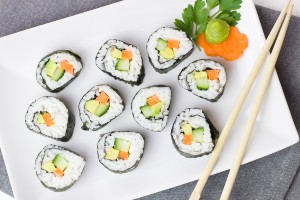
Japanese has been the culinary byword for sushi and miso for a long time in Australia. Japanese cuisine has superseded all other cuisines to become the hottest trend in Australian contemporary dining today.
There's a love affair with Japanese food going on in Australia that is driven by the cuisine's seasonality, simplicity and abundance of flavours. Australians are also thinking more about sustainability and the ethical sourcing of ingredients, further driving interest in the cuisine.
Ranging from familiar to the exotic, Japanese cuisine is a gastronomically unique adventure. Unsurprisingly, sushi peaks the top five of Australia's most preferred Japanese dish. It's followed by paper-thin sliced Basashi, the authentic egg noodles ramen, crispy tempuras and the pancake stuffed okonomiyaki.
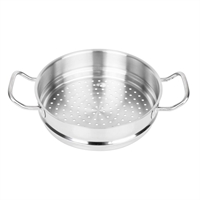
TIP: To cook authentic Asian cuisine, you need traditional equipment. Using specialist cookware such as woks or bamboo steamers can make a huge difference to the taste and texture of your food.
How to Incorporate Asian Dishes in Your Menu
As one of the fastest-growing food trends, Asian-inspired foods can make a big culinary impact on Australian consumers. People are tired of Sriracha and bored with pho, knowing there is an unexploited big wide culinary world yet to be discovered.
Though the perennial favourites remain - staples such as fried rice, dim sum and teriyaki chicken – there is a growing quest among Australians to discover new flavours from the Asian continent.
The big question is - how can a business capitalise on this consumer thirst for Asian flavours? It's not as difficult or as daunting as you might think, so here are a few simple suggestions to start your business on its path to creating an Asian menu:
1) Asian Fusion
Asian fusion is a blanket term where chefs restaurants combine the various flavours of Asian countries to make innovative dishes. Asian fusion has become popular in many parts of the world, with different regions having such distinctive styles.
Incorporating famous and preferred ingredients of the Australian palate into your menu would a great start towards Asian fusion goal.
2) Asian Beverages
Providing Asian beverages - this can be alcoholic, non-alcoholic or seasonings - in your restaurant menu will complement the Asian fusion incorporation effort towards Australian consumers.
Listing famous Asian beverages such as Tiger Beer on the menu, as well as displaying basic Asian condiments such as Sriracha sauce, sesame oil and chilli oil on tabletops, are some noticeable and effective fusion initiatives you can make today.
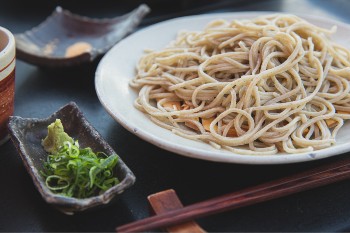
3) Healthier Instant Noodles
According to research by Market Watch, instant noodles sales are expected to peak 66.17 billion packs worldwide by 2023. What will differ are the new techniques that manufacturers will be using to meet the rising health indulgence of consumers for this coveted product.
New techniques such as sun-drying and air-frying noodles to reduce amounts of saturated fats will be used to cater to the health-conscious consumers. Choosing to incorporate healthy alternatives and investing time in such a product would be a wise initiative for appealing to Asian fusion consumers.
4) Food Decoration Can Verge on the Ridiculous
"The first bite is with the eyes". It's a belief unanimously shared by Chinese chefs – a well-justified reason for their commonly-known overboard culinary presentation.
Precise patterns or lifelike shapes, intricate vegetable carvings and decorative herbs are a common aspect of Asian dishes. We have all encountered that fish dish decorated with cucumber slices and red peppers. Incorporating this precise presentation aspect into your dishes is another idea restaurants can choose.
TIP: Want to get creative when preparing your vegetables? Using a mandoline slicer with interchangeable blades will help you display your veggies in all kinds of exciting new ways. Alternatively, a powerful vegetable slicer machine will deliver even faster output in higher volumes.


Asian Holidays and Festivities
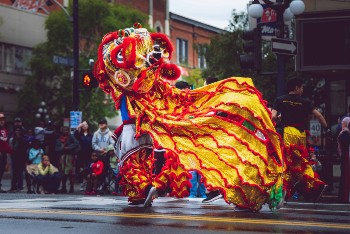
Chinese New Year isn't just celebrated by the Chinese, but also in many nations across Asia and around the world. Most commonly referred to as Chinese New Year, it reflects the traditional Chinese lunisolar calendar, so this festive season is also referred to as Lunar New Year.
In Sydney, the Chinese New Year festival helps inject $200m into the local economy. As many Asian citizens have immigrated to Sydney, building their new lives here, Chinese New Year provides the perfect time for family and friends to visit and holiday in Sydney with their loved ones. Thousands of tourists visit Sydney each year for the Chinese New Year Festival.
The economy is sure to benefit the areas of Chinatown, across the Sydney city into Darling Harbour, Dolls Point, Martin Place and throughout other areas of the CBD.
In the past, the only celebration in Sydney would be the parade but, as Sydney's population grows to be more multicultural, there is a multitude of activities for visitors and locals to see and do, making Sydney an attractive place for everyone to celebrate the Chinese New Year.
There is a common superstition for the Chinese, where they believe it is important to wear new clothes on the first day of Chinese New Year, meaning a major part of their CNY vacation in Sydney involves shopping and dining out.
In China, there is a large and continually growing middle class who can afford travelling. This, paired with the 10-day public holiday for the Chinese New Year, makes travelling more feasible for the Chinese population. It has been said that some tourists are willing to spend up to $6,000 on their Sydney holiday.
A City of Sydney Council spokesperson stated approximately $2 million was spent on the most recent festival, with all events free to the public.
In Sydney, Chinatown is one of the top three tourist destinations alongside the Opera House and Harbour Bridge. It is an extremely important economic social hub for tourists and locals alike. It is more than just a restaurant district, with many years of history behind it.
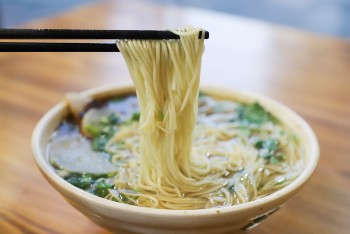
Chinese New Year in 2021 was not the same as previous years as the world continued to combat the COVID-19 pandemic. But there is no doubt that the cultural and historical significance of Chinatown will help with economic boost when the international borders are reopened for international visitors.
Other noteworthy Asian festivals around the Sydney area include:
- Qing Ming Jie (Tomb Sweeping Day)
- International Labour Day
- Dragon Boat Festival
- Mid-Autumn Festival/Moon Festival
- Golden Week Holiday
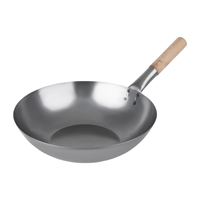
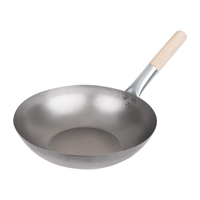
TIP: Why not create a special Chinese menu to celebrate these festivals in style? Check out this Chinese Cooking Equipment store to find all the catering supplies needed to prepare and cook authentic cuisine.

How to Incorporate the Festive Spirit
The Chinese also have decorative features which symbolise important meanings in their culture. These include anything red to symbolize luck, especially Chinese Red Lanterns to drive away bad luck.
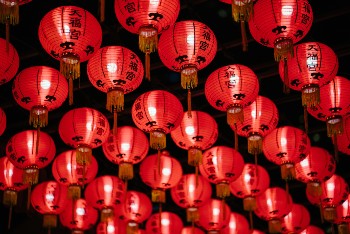
These red lanterns are utilised in in all important festivals and holidays including the Mid Autumn festival and the Spring festivals. It is extremely common to see them hung throughout the trees on the street, door houses and other various public areas.
Kumquat trees also symbolise the fortune of wealth and good luck. It is extremely popular to display them in homes during the Chinese holiday period, especially in Cantonese-speaking regions of the country.
The mooncake is the most common pastry to be given out as gifts, and consumed by families during the CNY holiday period. Be careful though, as one mooncake contains around 900 calories - that's three cheeseburgers from McDonald's!
Across East Asian countries, Chinese New Year is a major public holiday and is considered one of the biggest events in the year. It is therefore very common for people to be off work and celebrating with their family. In the lead-up to Chinese New Year, Chinese communities across the globe get ready for the celebrations, much like how western markets prepare for Christmas.
With the global online spend during Chinese New Year ever-increasing, it goes without saying that marketing and advertising opportunities around Chinese New Year are growing - not just in China, but across the globe.
As a brand, if you want to increase your marketing efforts and target users during this holiday period, it's important to make sure you first understand more about the traditions of the festivities.
Whatever route you choose to go down, just remember that you will also need to go beyond direct translation in order to resonate with the Chinese consumer.

Reduced Price