

How To Write A Wine List
Writing a wine list can be both intimidating and exciting; it will require a lot of collaboration with your chefs, your wine supplier and your front of house staff in order to create the perfect list for your bar.
You’re the most important person in the planning process and you’ll make the absolute final decisions, but your chefs will know what produce they are going to be using through the different seasons so you can make sure there are wines to match the dishes that will be created. Your wine supplier will know the wines they stock and be able to give you a good starting point, saving you hours when it comes to compiling the list. And since your front of house staff will be the ones selling the wine, it helps to involve them in the process.
How Many Wines Should I Have On My List?
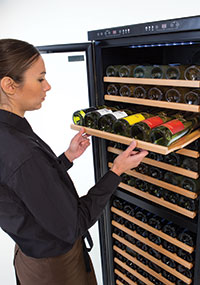
First you should decide a rough number for the amount of different wines you are going to list. The amount of wine on your list will be affected by a lot of factors. How much wine are you likely to sell? Do you want a small, concise list or a vast and extensive list? And, most importantly, how much practical storage space do you have?
Once you have a rough number of wines you would like on your list, you can then start planning the types of wine you’re going to stock. Around the same number of red and white wine looks neat on the menu and the final third can be split into sparkling wine and rosé. This method of splitting wines offers a good place to start but may not be perfect for you, so just play around with the layout until you have a draft that works for you.
What Wine Will Pair With My Food?
At this point, it is a good idea to get your chefs involved. They can help you decide on a few different types of wine to stock. Your chefs will have a good idea of what flavours will go with the dishes they create, so they can really help to give a rough outline for some of the wines that should be on your list. To help make the decision easier, we have have created an small chart that takes a lot of the guess work out of pairing wine with food.
| Vegetables | Cheese | Breads | Light Fish | Crustaceans and Rich Fish |
Poultry | Red Meat | Cured Meat | Dessert | |
|---|---|---|---|---|---|---|---|---|---|
| Light Dry White | ✔ | ✔ | ✔ | ||||||
| Sweet White | ✔ | ✔ | ✔ | ✔ | |||||
| Rich White | ✔ | ✔ | ✔ | ||||||
| Sparkling Wine | ✔ | ✔ | ✔ | ✔ | |||||
| Light Red | ✔ | ✔ | ✔ | ||||||
| Medium Red | ✔ | ✔ | ✔ | ✔ | |||||
| Heavy Red | ✔ | ✔ | ✔ | ||||||
| Dessert Wine | ✔ | ✔ | ✔ | ✔ |
Finalising What Wines To Stock?
Next you should take your ideas to your wine supplier (or let them come to you) and then they can help you really refine the selection. Your wine supplier will know exactly which of their wines will suit your venue and will have plenty of wisdom to help you create the perfect wine list.
How Do I Educate My Staff On The New Wine List?
When you’ve decided on the wines you like, it’s a good idea to get all of your front of house staff together for a tasting. Tastings are a fun and educational event that will pay for itself in no time. Knowledgeable staff are more confident and provide a better dining experience for your customers. If they’re not already world class sommeliers then you can swap out guessing price and grape varieties with identifying single flavours.
Give everyone a small glass of the same wine and, starting with one person, have them say a flavour they can taste or smell and if they think it will pair with food. Have everyone jot it down and give the next person a go. By the end you should have a pretty accurate description of the wine; if some staff can’t taste the flavours it will help to hear others say a flavour first. By the end, everyone should be more knowledgeable about the wines, have their own lists with flavours next to each wine and they would have had a great time learning.
How Should I Group My Wines On The List?
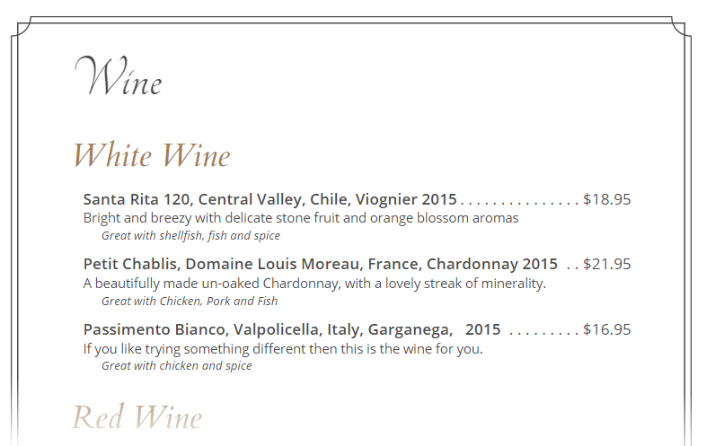
Now all that’s left is to decide how your wine list is going to look. Are you going to list by price? By intensity? Or maybe be a little creative and list by the types of food the wine will pair with? No matter what you decide, the wine menu should be set out in a way that is instantly understandable and informs your customers of the name of the wine, grape types used, foods it will pair with (if any) and a brief summary of how the wine tastes.
Remember that not all of your customers know much, if anything, about which wine they will like on your menu. So by providing a little information, you can put your customers at ease and educate them in the taste of each wine.
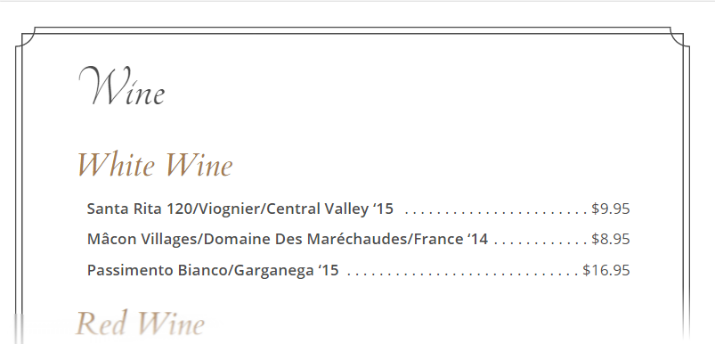
For example, listing the following isn’t very helpful -
But by changing the layout slightly you can answer most of the questions your customers would have about the wine.
With your layout decided on you can either print the list yourself and pop it in a menu holder or find a professional company to do it for you.
All in all, it’s entirely up to you how you present your wine list, but hopefully this article gives you a little food for thought and gives you a few ideas on how to carry out the planning process.
SHOP MENU HOLDERS NOW >