
Cleaning and Seasoning Cast Iron Cookware
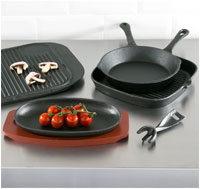
Curing or seasoning cast iron cooking equipment and cookware is crucial to getting a non-stick finish for effortless results. The curing process also covers cast iron with a protective layer, ensuring your pots, pans, skillets, grills and more can withstand constant use in busy kitchens. Cast iron can last a lifetime when looked after properly, so knowing how to clean and season yours can save you time and money.
You’re the most important person in the planning process and you’ll make the absolute final decisions, but your chefs will know what produce they are going to be using through the different seasons so you can make sure there are wines to match the dishes that will be created. Your wine supplier will know the wines they stock and be able to give you a good starting point, saving you hours when it comes to compiling the list. And since your front of house staff will be the ones selling the wine, it helps to involve them in the process.
What Do You Need to Season?
Cookware finished with non-stick coatings such as Teflon (PTFE) do not need to be seasoned, allowing you to use them straight from the shop. However, PTFE’s start to breakdown at temperatures of over 240ºC, making them less able to get the sear needed for perfectly cooked meats. Black iron, cast iron and carbon steel can resist much higher temperatures when seasoned, and cooking with them actually improves the seasoning, rather than degrading it, helping you to lock in flavours when cooking steaks and other meats.
Prepare for Seasoning
When you buy a new cast iron pot, pan or dish, it does not come seasoned and may have oils on it from production, so it is important to prepare your new pot, pan or skillet for seasoning. Make sure you wash them with hot, soapy water and a non-abrasive cleaning cloth or sponge - microfibre works really well.
If your cast iron has been seasoned before but needs to be re-seasoned, you can carry out a process called clarifying. You may want to renew your seasoning if your pans have been used a lot and have built up a fatty, oily residue, or if they were washing by accident. Heat your pan on the hob and then pour in large chunks of salt (not table salt) to cover the surface. The reaction causes the salt to absorb any moisture, grease, fats or oils on the pans surface, returning it to its seasoned finished.
Seasoning Your Cast Iron
Seasoning your cast iron takes just 4 steps and you’ll need a pastry brush, some oil and a hob. We’ll use a frying pan as an example, but the same applies for most cast iron items.
Step 1 - Heat your frying pan on the hob over a medium heat for a few seconds.
Step 2 - Once your frying pan is hot, apply a small amount of oil to the pan and using the pastry brush, ensure the surface is covered. Ensure a thin and even layer is applied.
Step 3 - Once the oil starts to smoke you should notice the pan changing colour. When this happens, remove the pan from the heat and let it cool.
Step 4 - The pan is now ready to cook with. Each use of the frying pan adds to the seasoning, creating a non-stick layer that’s perfect for cooking meats.
The key to the perfect seasoning is patience. If you rush the process by not letting the pan heat enough or if you apply an uneven layer of oil, your finish will be sticky and patchy rather than a non-stick finish. If you make a mistake at any point you can clarify your pan and start the seasoning process over again.
Cleaning and Storing Cast Iron
A major culprit in the degradation of seasoning is the use of abrasive cleaning tools such as scouring pads, as they scratch away the coating and the pan itself. To clean your seasoned cast iron, use warm water and a soft cloth. Do not submerge the pan in hot water or put it through a dishwasher, as these will also destroy the seasoning. Ensure your cast iron is entirely dry after washing and coat it with another layer of oil before putting into storage. This extra layer helps to prevent rust and maintains the seasoning for its next use.