
How to Use a Coffee Plunger
Coffee tastes delicious when it has been brewed in a coffee plunger. While it is a relatively slow brewing method, the amazing aroma serves as a constant reminder that it's well worth the wait.
This slower brewing time is what gives the coffee its richer taste. A coffee plunger allows the coffee to brew without being exposed to pressure or the boiling process. This results in a taste that is quite different from espresso machines.
You can also control the amount of ground coffee and water you use, as well as water temperature, to create a brew just the way you like it. Our easy-to-follow guide below shares some top tips on how to make plunger coffee to the highest standard.
BROWSE ALL COFFEE PLUNGERS
How to Make Plunger Coffee
How Long? About 4 minutes
How Much? Premium coffee plunger prices start at around $20
What You'll Need: Coffee plunger, Ground coffee, Boiling water
Master the art of brewing fresh coffee at the table, resulting in a richer taste and delicious aroma to delight your guests. Follow these seven simple steps to find out how to make coffee in a plunger perfectly.
1. Preheat the coffee plunger
Remove the lid and plunger, and fill the glass jug with boiling water to preheat it.
2. Grind your coffee beans to a medium coarse consistency
While leaving the jug to warm, grind your coffee beans. Aim for a medium coarse consistency - if the grind is too fine, the coffee can become over extracted and release bitter flavours. You can also use pre-ground coffee but, for a cup bursting with freshness, you should grind the beans yourself.
3. Add the correct measure of coffee to the plunger
Pour away the hot water from the glass jug and add the required amount of ground coffee - 70g per litre or one heaped teaspoon per cup (approximately 240ml).
4. Add hot, not boiling, water
Add hot, but not boiling, water. Pouring water that is too hot risks burning your ground coffee which will add a nasty bitter taste to your brew.
5. Put the lid on and let it brew
With the plunger pulled all the way up, place the lid back on top of the glass jar. Wait four minutes to allow your coffee to infuse properly.
6. Plunge your coffee carefully
Push the plunger down to separate the coffee grounds from your brew. Make sure you don't press or crush the grounds at the bottom of the jug - this can also release a bitter taste.
7. Pour and serve
Pour and serve your delicious fresh coffee. Add milk or sweeteners if required.


How Much Coffee Should I Put in My Coffee Plunger?
Choosing the correct amount of coffee will depend on three main things:
- The strength of the coffee
- How finely ground your coffee is
- The mineral composition of your water
Generally, aim for around 70 to 75g of coffee per litre of water. This is a similar amount to one scoop or heaped teaspoon per person (or cup). Please remember that this is a general rule, and can be tailored to suit your preferred taste. Add more coffee ground for a stronger brew, or less for a weaker coffee. Also, if you're using a particularly rich coffee, you may want to reduce the amount slightly.
TIP: A coarser grind of coffee always works best with coffee plungers. Your ground beans should resemble the texture of sand granules, rather than a fine powder. The level of resistance you feel when pushing the plunger down always gives a good indication of your grind. If the plunger is easy to push down, the grounds are coarse. If it is hard to push and there's too much resistance, they are too fine. A commercial coffee grinder will ensure you get your beans just right.
Which Coffee Plunger Should I Choose?
To find the best coffee plunger for your needs, there are three important areas you need to consider - size, material and design.
Sizing
Identifying the various coffee plunger sizes is easy, because they are usually named by the number of cups of coffee they can serve. These measurements are based on a 125ml or 4½oz cup size, so will leave enough space for milk in any standard 6oz or 8oz cup.
Selecting the best size will depend on the number of guests you usually serve. Tables for two? A 3 cup coffee plunger is perfect for sharing or for personal use. For larger tables, there are 6 cup and 8 cup sizes available, as well as extra large 12 cup coffee plungers for the biggest parties.
Material
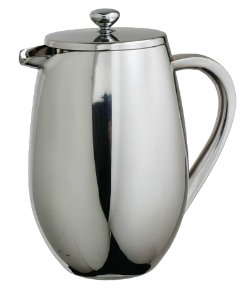
Coffee plungers are made using a range of materials to suit different needs. Polycarbonate is a durable and affordable option which is incredibly unlikely to break, but it lacks the smart and luxurious finish of glass.
Glass is the most popular choice for cafes and restaurants. Not only does it look smart, but guests can also see their coffee as it infuses. This allows them to brew their coffee to their preferred darkness.
Stainless steel or aluminium coffee plungers are as strong and robust as polycarbonate, with a smart polished appearance. They also offer exceptional levels of insulation for longer services. The only downside is not being able to check the progress of your brew!
Design
The vast majority of coffee plungers feature a main jug or beaker that is either built into the frame, or held and removed from a surrounding frame. Polycarbonate plungers are usually designed with a fixed frame, while glass jugs can often be removed for easy cleaning. Stainless steel coffee plungers have a more modern and contemporary feel, so it is worth browsing the full selection below to find one that best suits the requirements and look of your venue.
BROWSE ALL COFFEE PLUNGERSA Brief History of the Cafetiere

The traditional coffee plunger goes by many different names across the world. It is also regularly referred to as a French press coffee maker or a cafetiere, due to its roots in mid-19th century France.
During the 1840s and 1850s, French coffee makers were continually exploring new ways of boiling water and ground coffee simultaneously, rather than letting them brew together. However in 1852, we saw the first real signs of the modern coffee plunger when Henri-Otto Mayer and Jacques-Victor Delforge patented their 'Pressure Coffee Maker With Instantaneous Filtration'.
This design coincided with a boom in popularity for coffee drinking, both in Europe and America. During this time, the French word 'cafetiere' began being used in English language. Simply translated, it means 'coffee maker'.
The 'pressure coffee maker' was the first to use a piston as a way of removing grounds from the water during pouring. However, Mayer and Delforge were hindered by the lack of a watertight seal.
DID YOU KNOW: Many French people use the word 'cafetière' to refer to filter coffee machines and 'cafetière à piston' ('piston coffee maker') to refer to a coffee plunger.
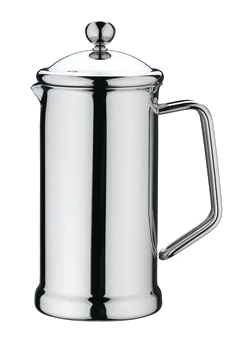
The watertight problem was finally solved in 1929 by Italian inventor Attilio Callimani. He patented a revised design of the coffee plunger featuring a mesh skirt and fine grill. And so the modern cafetiere was born!
This design was further refined in 1957 when Faliero Bondanini patented a system involving flexible fins and a spring to provide the perfect seal. Over the next few decades, the humble coffee plunger became an essential part of coffee service at home as well as commercially.
BROWSE ALL CAFETIERESCan I use a cafetiere for tea?
Yes! Faliero Bondanini's 1929 patent described his coffee plunger as 'a device for the filtration of infusions such as tea or coffee'. Using a cafetiere is a good way of brewing loose leaf teas without the risk of drinking leaves. But teabags already provide the necessary filter, so using a plunger generally isn't worth it.
If you do decide to use one for loose leaf tea brewing, remember not to press too hard with the plunger. Much like with coffee, you'll run the risk of releasing bitter or unpleasant flavours. An alternative option would be to use the tried and trusted teapot.
BROWSE ALL TEAPOTS