

Complete Guide to Opening a Cafe
For many of us, coffee is king — we simply can’t live without it. And for the bravest of breakfast warriors amongst us, owning a successful cafe is high up on the list of life goals. But like any business, knowing how to start a cafe isn’t exactly easy. Particularly in the competitive world of hospitality, where the hours are long and the smiles are mandatory. Get it right though, and the rewards can be huge.
Naturally we want to see you succeed, so we’ve come up the following guide to help you get started. We’ll cover everything from writing a business case, to designing a menu, to finding suppliers and fitting out your shop.
Right, let’s get into it!
Your Cafe Business Plan

Yes, we know that writing a business plan doesn’t exactly sound as exciting as designing a space or creating a delicious menu, but it’s definitely the best (if not the only) place to start. Without a business plan it’s easy to lose track of why you started, and what it was that you set out to achieve. A formal business plan is a comprehensive document that clearly outlines the concept for your business, and helps you to establish goals and determine how to go about achieving them.
One of the major benefits of writing a business plan is having the opportunity to conduct market research and investigate the local competition, but it also helps to identify any potential hurdles or challenges you may come across — and how you will overcome them — before they occur.
If you plan to seek financing for your cafe start-up, your financial institution will request a business plan, which needs to outline your projected income and profits, and also determine your break-even point. The break-even point represents the sales amount — in either unit/quantity or revenue/sales terms — that is required to cover total business costs, both fixed and variable. Your business plan will also help your financial institution to fully understand your business idea and specific goals for the future.
Once you have your cafe business plan in place, make the effort to update it as your business evolves. This approach ensures your goals are adjusted as your business grows, and provides a reference point for you to see how far you’ve come, while also highlighting any areas for potential improvement.
There are some great resources available for download, including a business plan template and a guide to completing it.
Cafe Start Up Costs

Owning and running a cafe can be an expensive line of business, and there are many factors to consider when planning your budget. Despite the fact that the Cafes and Coffee Shops industry has experienced strong growth over the past five years — owing much of its success to Australia's love of quality coffee and vibrant cafe culture — the unfortunate reality is that many small businesses often fail before they can generate enough money to achieve sustainable cashflow. Budgeting and planning for every little expense is crucial, and should form a sizeable chunk of your business plan.
The type of coffee business you want to open — be it a small breakfast coffee bar or a full-blown cafe serving lunch and dinner — will directly impact the amount of money you need to get it off the ground, due to varying set up and operational costs.
Once you begin to form a clearer idea of your concept and expenses, you’ll be in a better position to determine your overall start-up costs. Think about all the cafes you’ve spent time in, and how many ‘little things’ are required that might initially seem insignificant, but can quickly add up and eat into your funds. It’s in your best interests to identify each and every expense before this happens, right down to the disposable cutlery, napkin dispensers, and chef aprons.
There are a great number of factors to consider when planning your budget, which may include:
- Concept / Cafe Fit-Out Cost
- Location
- Business Lease
- License Fees
- Insurance
You must also think about equipment:
- Cafe furniture
- Lighting
- Outdoor Signage
- Plumbing
- Pots and Pans
It’s always a good idea to over-budget initially, to allow yourself some contingency for items that may have been overlooked or cost more than what you anticipated. The chances of getting the budget 100% right the first time are slim, so it’s best to be generous and give yourself a decent buffer so you don’t find yourself struggling from day one. Try to assume the ‘worst case scenario’ and then add around 10% to what you estimate things are going to cost. There are many risks involved when opening any business, and it’s your job to try to minimise those risks right from the beginning with some careful planning.
So, now we understand that a comprehensive budget is critical, but where do you start? With research! This is the time to learn as much as you can about the industry; including trends, suppliers, competitors, and the general day-to-day operations of a cafe. After conducting some initial research, you may find that your original concept needs to change to better fit with your available budget, and to suit the needs of the local market.
Concept and Location
There are so many different types of cafes out there, with each offering different products and services. It’s important to have a clear idea of what your concept and service is going to be before planning your financials, so that you can budget accordingly. Ask lots of questions, like:
- Will I focus mainly on breakfast and coffee, or will we serve lunch and dinner as well?
- Do I want to serve alcohol?
- How would I like to run a cafe — with a small or large team?
- Takeaway only or sit down table service?
- Will I be part of a coffee shop franchise, or operate independently?
- Will I find an established cafe for sale, or lease and fit-out a vacant space?
Once you’ve answered some of these questions, you will start to form an idea of how your cafe is going to look and operate, and what you’ll need to fit it out. And remember, your coffee shop design will have a direct impact on the type of customers you attract.
In the beginning it’s likely that your margins will be very small, so spending all your money on an expensive fit-out before you have any turnover is also something to think about. During the start-up phase, you’ll need to be clever with your cash if you’re going to make it through the first 12 months, which tend to be the biggest hurdle for any small business.
Next, consider your location. If you’re going to be working in the cafe, think about the daily commute and how far you’re willing to travel to get to and from work. Your working days will be long, so adding a long journey on top of that each day could burn you out rather quickly. Also consider your potential customer base — a sleek, modernist cafe might not sit well in a community of older patrons, and you may be better off in an area with a younger crowd. It’s important to consider the needs and wants of the local community, and also to position yourself in a high traffic area where customers will be able to find you easily. Don’t rush this decision — it’s a big one!
Design and Fit-out

Designing your cafe layout and style is one of the most personal and important steps in opening your business. But before you let loose with a paintbrush, think about your location, available space, and how you can stand out from the crowd. Hospitality is a highly competitive industry, and locals tend to be loyal when they find their favourite spot. You need to work hard to entice customers with a friendly and comfortable environment; without creating something so enticing that customers won’t want to move on! After all, you need to turn tables in order to make profits.
Creating ambience can be achieved with simple, cost effective solutions such as greenery and plants, furniture, music, paint colour, and lighting. And of course, by providing consistently friendly service!
You’ll also need a theme for your cafe that aligns with the brand you want to develop. It could be colourful and fun, dark and moody, minimalist, or cute and quaint. Just be sure to make your approach consistent, otherwise you may confuse your customers, which could stop them from coming back. If you’re unsure about the direction you want to take, check out some cafe ideas online, or take inspiration from other brands that you look up to. Social media sites like Pinterest are great sources of inspiration.
Though the floor fit-out is the face of your establishment — the behind-the-scenes design is just as important. Having sufficient room for storage will prevent overflow and clutter, while making it easier for staff to organise stock and work efficiently. The Golden Triangle rule is a great place to start when planning the layout of your cafe’s kitchen. This means beginning with these three key areas: Food Preparation, Cooking and Serving, and Washing Up.
Your Menu
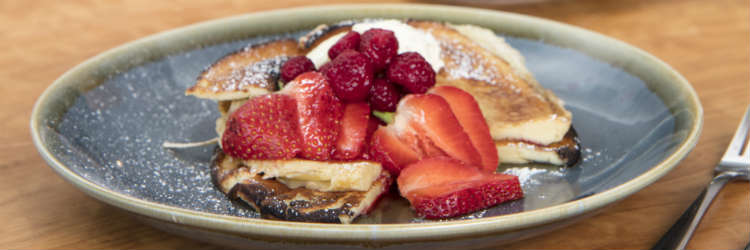
Most who are contemplating opening a cafe would not be short of cafe menu ideas — perhaps it’s what inspired you in the first place. But before you make any final decisions, make sure you’ve done your homework and researched the local area so you can offer something that fills a gap in the market.
Before you start designing a menu, consider the following:
- Will you do the cooking, or will you hire a chef?
- What types of cafes are most popular in your area?
- What ingredients are easily sourced from local suppliers?
- What food and produce is the most cost effective?
- What food and produce is the most cost effective?
- How much similar competition will you have?
- When will you be open for business?
- Will the menu be large or small?
- Will the menu be seasonal and change regularly?
Customers will typically respond well to businesses who play to their strengths and operate with integrity. So, if you’re passionate about a particular style of food, go with that — it’s going to be the fastest path to success.
When engineering your menu, think about hosting a tasting with your friends and family before you head off to the printers, to see what they like and don’t like. They may even come up with some new ideas that you hadn’t thought of.
Article: Accommodate and adapt to special diets with our Complete Guide to Dietary Requirements and Restrictions
Branding and Marketing
Establishing a brand takes time, and some careful planning upfront. This includes choosing a great coffee shop name — which should align with your aesthetic, and hopefully make for a talking point amongst the locals.
The name you choose for your cafe should be at the core of your overall brand, from which you can develop a marketing plan and materials, such as your website and social media profiles. Have a brainstorming session, then run a few name ideas by your friends and family to get some (hopefully positive) feedback. Try to come up with something unique and memorable, that will help you stand out.
When it comes to marketing your business, a website and social media profiles are a great place to start. Social media is free to set up, easy to manage, and an excellent way of connecting with potential customers. Facebook and Instagram are both perfect options for a cafe, and can be used to promote your location, showcase images of your menu items and interior, promote specials, and encourage customer engagement through user-generated content.
For your website, you can either choose to pay someone to develop it for you, or have a go at creating your own using a cost-effective platform such as WordPress or Squarespace. A coffee shop website can be simple — including your location, opening hours, menu and social media links is really all you need to start off with.
Word of mouth is also going to play a big part in your marketing strategy, so do your best to spread the word locally. You could place a small ad in the local paper, or come up with some clever cross-promotion ideas that will allow you to leverage the existing reputation of other businesses in the area. Remember, friendliness is key in this industry, so try your best to get involved with the local community as much as possible.
Article: Discover our Complete Guide to Marketing Your Restaurant or Cafe.
Licensing and Insurance
Before you can legally operate from your new cafe, there are a few official items to be ticked off. The first step is to obtain a business licence from the local council, and to do so you’ll need to check the licensing requirements for your state.
In order to register your business and receive a business licence, you will need to provide a variety of information to the local authority. Head to the Australian Business Licence and Information Service (ABLIS) website to determine the process. It’s also recommended to consult a legal professional in your state, to ensure that you are covering all current legal requirements for your specific type of business and area of operation.
Running a successful cafe also involves insuring yourself against things that could possibly go wrong, such as theft or an accident involving a customer. As a general guide, the types of insurance you might want to consider include:
- Public Liability Insurance: Protects you if a customer is injured, or their property damaged whilst on your premises.
- Product Liability Insurance: Protects you in the instance that a customer claims your product has caused them injury, or damaged their property.
- Property Insurance: Covers your business in case of unforeseen events such as a fire — which is more likely in the hospitality industry due to the equipment being used on site.
- Workers Compensation Insurance: Compulsory for most employers. If any one of your employees suffers a work-related injury or illness, it will help them cover any medical expenses and/or loss of earnings.
- Theft Insurance: To cover the loss (due to theft) of any cafe equipment, supplies or money.
- Glass Insurance: Glass is costly to replace, and is prone to damage — accidents do happen after all! This insurance will also protect you in the event of damage caused out of hours.
Hiring and Training Staff
Running a cafe is hard work, often requiring you to work very long hours — especially when you are just getting yourself established. It also involves a lot of interaction with the public, so if you’re not the best people-person, employing a cafe manager to oversee day-to-day operations might be the way to go.
However, if you’re up for the task and decide to take on the management role yourself, you’ll reap the benefits of seeing how your business runs firsthand, and start to form relationships with your regular customers who can be very useful for gathering valuable feedback.
When working in the food industry, there are certain requirements you must meet with regards to training. This means all staff members (including yourself) operating within the business need to complete basic training in food handling and safety prior to commencing work. There are several options for such training, including accredited training courses, instruction manuals, or in-house training delivered by a consultant. As the business owner it is your responsibility to ensure your staff are adequately trained, and the development of a training plan and induction program which includes food handling and safety information is considered good practice, though not a legal requirement. Be sure to check the requirements for your specific area of operation, as they may vary from state to state.
It’s also important to note that certain states (NSW, VIC, QLD, ACT) require you to have a nominated Food Safety Supervisor on site at all times. This person must be appropriately trained and registered before they can commence work in the position or train other staff members. The Australian Institute of Food Safety offers a number of relevant training courses, and is an excellent source of information for meeting your obligations for operating within the food industry.
Article: Build a team that will lead your cafe to success! Learn more about Hiring and Managing Hospitality Staff.
Cafe Equipment Basics
Coffee equipment is just the beginning of deciding what you will need to purchase for your cafe. The equipment and supplies you need will largely depend on the concept of your cafe, the type of food you plan to sell, and the amount of space you have to work with.
When opening a cafe there can be a long list of things you need to purchase in order to get up and running — a list which, if you’re not careful, can become very expensive. Give considerable thought to the following items:
Coffee Machine and Grinder
As a new cafe, having the best coffee is top priority. A quality commercial coffee machine and coffee grinder will help you reach this goal.
When out shopping, be sure to consider:
- Counter space available and size of coffee machine
- Estimated volume of coffee needed per day and week
- How many different types of coffee will be served
Size is an important factor, as the size of the machine you purchase will be not only be dictated by price, but also by the amount of counter space you have available.
You’ll also want to make sure the machine can handle the estimated volume of coffee you anticipate serving. As a general rule, 1 kg of coffee will produce between 70 to 100 shots. The number of group heads on the machine will determine how many coffees you can make at a time — a one group head machine will make two espresso shots from one head, a two group head up to four shots, and so on. Based on this, a small cafe using less that 5 kg of coffee per week will probably only require a single group head machine to get by.
Just as important as your coffee machine is your coffee grinder. Before you buy, make sure it is designed to be used continuously with a motor that works at a reasonably low speed, allowing you to grind coffee beans without burning them. You can judge a quality commercial grinder by its weight, with a small grinder weighing around 6 kg, and a large grinder up to 10 kg. The right size and type of burr should also be considered, as this ensures the grinder can deliver the right amount of ground coffee, and a consistent flavour. And if you plan to offer more than one type of coffee — decaf, for example — you’ll need a separate grinder to avoid cross-contaminating the flavours. Remember, without your grinder you have no coffee, which can quickly bring business to a halt should it fail, so invest wisely!
Refrigeration
There are several questions to ask yourself before you buy a refrigeration unit for your cafe:
- How much stock does the fridge need to hold?
- How much space is available?
There are a number of commercial refrigeration options available, so base your decision on quality, energy efficiency and reliability. Options include:
- Upright Fridge: similar to domestic fridges, choose from single or double doors, white or stainless steel, clear display doors, and so on.
- Under Counter Fridges: fitted under the counter for easy access to ingredients, which can be a great space-saver for small cafes.
- Display Fridges, Merchandisers and Drink Fridges: keeps products at the perfect serving temperature, and displays food and drink for customers to see — the perfect incentive for an impulse purchase.
- Counter Fridges and Prep Station: generally associated with takeaways, prep stations are perfect for sandwich and salad preparation, allowing customers to select from a range of chilled ingredients.
Dishwasher and Sinks
Equally as important as selecting the right type and size of refrigeration, is choosing the right sized commercial dishwasher. To determine your needs, first estimate when your busiest time of day will be, which for a cafe is typically the breakfast to lunch period.
Think about how many seats you have available, and how much crockery, cutlery and glassware each table will roughly use when at maximum capacity. This should give you an indication of how many dishes will come through your kitchen during peak times, and you can then check the capacity and cycle times of dishwashers within your price range.
As with a domestic dishwasher, there will always be items that don’t fit and need to be washed by hand, and for this you’ll need a sink! While this may seem like a simple purchase, there are a number of functions sinks are needed for that don’t include washing dishes, such as hand washing basins and food preparation. A deep pot washing sink is perfect for pots, pans and baking trays. With this in mind, think about what you’ll be using the sink for so you can adequately size it up.
Indoor Furniture
Choosing furniture for your cafe is largely dictated by the ‘theme’ of your space, and the type of experience you want your customers to have. If you have exposed brickwork and high ceilings at your disposal, an industrial look with lots of long tables and bar stools might be the way to go. If you’re working with a small space, smaller cafe tables or communal dining would be a good option.
With design trends changing so regularly, it’s important to have a clear aesthetic and concept in your mind, and to carefully select items that complement, rather than clash with each other. Think about durability when making a purchase — cheaper options may seem tempting at first, but are unlikely to stand the test of time. Buying quality items up front can help you avoid costly replacements.
Crockery, Cutlery and Glassware
Much like your furniture, the theme of your cafe (and your budget) will set the direction for your crockery, cutlery and cafe glassware needs. The most important thing is to ensure you buy commercial grade, which is designed to withstand heavy use. Commercial items will be more expensive than domestic, but when buying in bulk you will often get a discount.
With design trends changing so regularly, it’s important to have a clear aesthetic and concept in your mind, and to carefully select items that complement, rather than clash with each other. Think about durability when making a purchase — cheaper options may seem tempting at first, but are unlikely to stand the test of time. Buying quality items up front can help you avoid costly replacements.
Other Cafe Equipment
Though the above are the base of your cafe, kitchen equipment and other items typically required for cafe operations include:
- Commercial Microwave Oven
- Sandwich Press and Contact Grill
- Griddle and Commercial Hot Plate
- Gas Oven Range
- Commercial Freezers
- Cafe Chairs
- Outdoor and Indoor Cafe Signage
Other smaller but equally as important equipment includes:
- Computer and Printer
- POS system and Cash Register
- Sound System
- Outdoor Cafe Furniture
- Knife Sets, Chopping Boards and Kitchen Utensilts
You may not need to buy everything right away, and if you’ve bought an existing business some of these items may have been included in the purchase — but it’s always a good idea to be prepared with the correct equipment from the start, as having to upgrade later on can end up eating into your all-important profits.
Another option is to lease kitchen equipment from a reliable hospitality equipment funder — which can be great for new cafes looking to limit start up costs. Read more about this option on leasing high quality catering equipment from Nisbets.
View our Coffee Shop Essentials nowSuppliers for Success
Finding the right cafe suppliers will require more of your new favourite pastime — research! Not only do you need to find the right equipment at the right price, you also need to find suppliers for your produce, and of course, coffee! Types of coffee beans vary in size, shape, colour and flavour depending on the region and conditions in which they were grown, and it’s well worth experimenting with different varieties to discover the best coffee bean for your cafe. Most regional varietals will fall within two main categories: Robusta or Arabica. Consider sourcing organic or fair trade coffee beans as a more sustainable choice.
Once you have a reasonable idea of what type of coffee works for you, reach out to suppliers and determine who can meet your needs, keeping quality and consistency in mind at all times. Good coffee will keep customers coming back on the regular, so it’s important to get it right up front. You’ll also want to try and make sure your coffee supplier’s brand is in alignment with your own brand, and that you can work together as partners. This is quite possibly the most important decision you’ll make when it comes to opening and running a successful cafe because, as we said earlier, coffee is king!
When it comes to selecting suppliers for your fresh produce, most believe that local is best. Using local ingredients not only ensures the highest quality food for your customers, but can also be great selling point when it comes to marketing. Again, do your research and work to establish a relationship with local producers and suppliers in your area — you should be able to secure yourself a discount if you play your cards right.
Starting a Cafe — Dream to Reality
Hopefully at this stage you now have a good idea of what it takes to establish a successful cafe, and are in a position to make an informed decision about whether to go out there and chase your dream. Sure, it’s going to require a lot of initial research, and then a lot of hard work on your part to get it up and running, but if you’re passionate about your food and coffee — and want to connect with the local community in a meaningful way — then owning and running your own cafe might be just the right venture for you.