
Managing Your Kitchen Inventory Cost
Whether you’re a brand new startup in the food service industry or you’re looking to replace and restock existing kitchen equipment, managing and tracking your inventory cost can seem like a big chore. Choosing the right kitchen inventory list is an important task with a hefty price tag. After you’ve set your menu pricing and food costing, your essential kitchen items are next on the to-do list.
Your inventory lists should keep track of all of your consumables, whether they're edible or not. For most owners or kitchen managers, it makes total sense to track perishable ingredients and weekly food usage, but you also have to consider the kitchen utensils and other tools that make your restaurant run. A budget planner template or Excel budget template is the ideal tool for tracking your inventory and tying it into your operating budget.
Kitchen Equipment Checklist
Every kitchen is different, and your specific needs will vary depending on cuisine style, staff size and storage limitations. Consulting these buying guides will help you identify which equipment is most suited to your venue. This standard checklist outlines the essential items that most kitchens need to have on hand, so you can start planning your new inventory list or updating an existing line:
Essential Kitchen Appliances
- Gas Oven - baking, roasting, and braising
- Convection Oven - can cook up to 25% faster than conventional ovens
- Deep Fryer - delivers the ultimate power and performance
- Char Grill - smoky, charred flavours
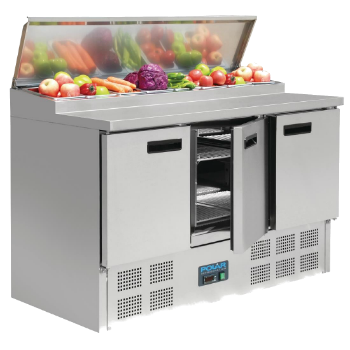
- Prep Fridge - maximise efficiency with cold storage
- Microwave - convenience you can count on
- Coffee Machine - round-the-clock coffee service
- Griddle - for so much more than pancakes
- Toaster - a must-have for breakfast
- Food Processor - able to chop, mix, puree and grind foods
- Mixer - a versatile piece of equipment
- Blender - quickly create drinks, soups, smoothies, purees and sauces
- Holding Cabinet - proof breads and hold for service
- Fridge - upright fridges, under counter fridges, low fridges and counter fridges and prep stations
- Freezer - freeze and store food inventory
- Kitchen Shelving - build efficient and space saving storage areas for the pantry and cold room
- Food Storage Containers - clear and labelled for accurate inventory counts
- Food Trolleys - perfect for transporting, clearing and storing items
- Soup Kettle - for your soups, gravy, curry and mulled wine

Essential Kitchen Utensils
- Chopping Boards - colour-code to prevent cross-contamination
- Graters - box grater, zester and microplane grater
- Vegetable Peelers - invest in speed and safety
- Kitchen Scissors - tapered tips and comfortable handles
- Chef Knives - one of the most valuable tools
- Mixing Bowls - available in a variety of sizes
- Pots and Pans - you’ll need a range
- Fry Baskets - square and round for different uses
- Whisks - essential for hand-mixing
- Cooking Spoons - for serving and stirring
- Ladles - precise portion control with no mess
- Measuring Set - for accurate recipes and balanced flavour
- Turners and Lifters - a must-have for griddles and grills
- Spatulas - able to withstand high heat for all applications
- Tongs - prepping, plating and serving
- Squeeze Bottles - ensures proper stock rotation and minimises waste
- Can Openers - safe-cut opening for smooth edges
- Timers - run your kitchen like clockwork
- Thermometers - ensure hygiene and food safety


Designing the Perfect Budget Planner Template
Whether you find an online budget template, or you choose to build your own, we recommend taking time to set up your inventory sheet the right way:
- Columns: Prepare five columns across the top - item, unit, amount, price, and cost.
- Categories: Organise your inventory items into groups that make sense for your business, whether that's by size or station. Then, fill the left-hand column with all of your items and start taking inventory for each row.
- Units: For most kitchen tools, the unit component is straight-forward and simple, but don’t skip it! By including it, you can ensure consistent formatting across your food and material inventory lists.
- Cost: Check online to find the most recent price for your records. Price lookups can be tedious, but it's essential to know the most recent invoice value for accurate cost of goods sold (COGS) metrics.
TIP: Many inventory sheets are straight-forward and number-based, but for utensils and items that will last for months or years, you might consider adding an extra 'notes' column to track item condition. You can also track usage rates to flag unnecessary items that won’t be replaced in the future.
Excel Budget Template: If you're unsure how to create one, you can use this budget planner template to get you started. This Google Sheet can be saved as an Excel file. It can be used to carry out your kitchen inventory checks, or it can be adapted to best suit your business.
5 Tips to Keep Your Kitchen Inventory Organised
1) It Doesn't Work to Wing It
Think of your kitchen organisation in two layers: what you see, and what your inventory says. In order to maximise efficiency and prolong the longevity of your kitchen utensils and tools, it's important to have an organised space where every item has a home. That way, when it's time to update your weekly inventory and check equipment, you won’t have to waste time looking for missing spatulas.
2) Set a Schedule
It's best to take inventory weekly and address any shortfalls, overstocks, or missing and damaged items immediately. If possible, update your inventory at the same day and time for the most accurate count. Kitchen utensil inventory is much less volatile than tracking food ingredients, which will change week to week, but it’s best to complete it all at the same time.
3) Get Help
Getting an accurate count can be tricky, and mistakes happen. Whenever possible, it's always a good idea to have a second set of eyes! Compare your counts and then take a second look at anything that doesn’t match up. Taking stock of your kitchen utensils and tool pantry is a relatively easy inventory task, so it’s ideal for training staff members to share duties. That way, you can stay focused on the tasks that need more attention and careful management.
4) Balance, Then Add
Before you receive a shipment of new inventory, make sure to check what you currently have in stock. You need to start with an accurate count and have a complete understanding of what you ordered (and why). Only sign the invoice after checking for discrepancies and confirming that what you ordered is exactly what’s being delivered. Then, you can unbox and update your existing inventory with confidence.
5) How Much 'Just in Case' to Carry
If you’re starting out, it's important to invest in high-quality items that are going to last. Your 'just in case' inventory is essential to keep you running at full speed when something breaks or goes missing, but overstocking doesn't make sense for your budget or storage space.
TIP: Consider adding an extra item to your inventory for the most-used, essential items (like your go-to sauté pan and knife) as well as the smaller, inexpensive items that are most likely to go missing (like a timer).
Budgeting Considerations
Buying Used
As tempting as the price of a second hand appliance may be, it's not always advisable. In a commercial kitchen, you need dependable equipment that you can trust not to let you down in the middle of a busy service.
Certainly, there are occasions when used equipment is perfectly acceptable. But as with buying any second hand goods, the risk of getting something that is declining in standard is far greater. Depending on the age of the equipment, it may not also come with a manufacturer warranty.
Buying New & Warranties
Buying brand new catering appliances gives you peace of mind that you're covered by a warranty if anything does go wrong. You also know that you're getting quality equipment (with 0 miles on the clock) that has undergone extensive testing to prove its reliability.
Domestic Products
Buying domestic kitchen equipment may seem like a cost-effective way of kitting out a commercial kitchen, but it will be more expensive in the long term. Domestic items have a cheaper price tag, but they are designed for infrequent or light duty use - not the intense continued service that is required in a busy hotel or restaurant.
If a light duty or domestic appliance is used in a commercial environment, the warranty will also be void. So even if a heavy duty machine is more expensive, its reliability and durability will benefit you in the long term.
Installation Costs
When buying larger appliances, always consider installation costs. Professional installation is vital for some heavy duty items, particularly when a hardwired electric or gas connection is required. If you try to install catering equipment yourself and something goes wrong, your insurer may refuse to pay out.
Article: Our in-depth article on power supply explains the differences between single phase vs 3 phase power in commercial kitchens. If you're in any doubt about your power supply, seek advice from a professional electrician before buying new catering appliances.