
How To Make Cocktails
Nothing creates a talking point among customers quite like a cocktail menu. The exotic names, the colourful presentation, the delicious tastes - offering a selection of cocktails or non-alcoholic 'mocktails' alongside your existing drinks list will add a whole new dimension to your beverage service and can create a real buzz.
Known as mixology, the art of creating and making cocktails isn't easy. It takes a lot of practice, skill and a thorough understanding of mixing techniques, so the best way to start is by mastering the basics. With the popularity of cocktails soaring and such a huge choice of cocktail equipment available, there has never been a better time to expand your drinks menu.
BROWSE ALL BAR SUPPLIESWhat Is Mixology?
The art of mixology involves the study or skill of inventing, preparing and serving cocktails or mixed drinks. Being a successful mixologist requires a passion for drink-making - mixologists don't just want to create delicious drinks, they also want to understand why cocktails or mocktails are made the way they are.
Mixology is not just about theatre and performance while using cocktail accessories. It is about understanding the pros and cons of every cocktail mixing technique, and knowing which garnishes can add an extra dimension to drink creations. All mixologists are bartenders, but not all bartenders are mixologists.
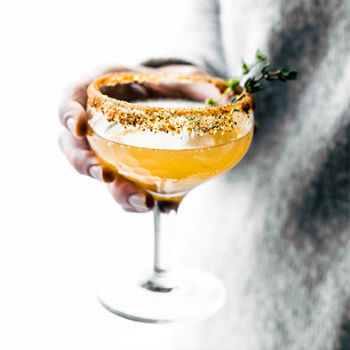
Learn How to Mix Cocktails
Whether you're following a classic cocktail recipe or you're trying to come up with a brand new drink, there are several key philosophies to understand if you want to master the art of mixology. If you're planning to introduce your own cocktail menu, here are three things any budding mixologist needs to know.
1) Something bitter with something sweet
The most basic of rules when making cocktails surrounds the template of mixing something bitter with something sweet. There are exceptions to the rule, of course, but so many of the traditional cocktails follow this pattern - a base spirit (such as vodka, gin or rum), something bitter or sour, and something sweet to balance it out.
Made using rum, lime juice and a sugar syrup or gomme, the Daiquiri is one of the all-time classic cocktails. If you want to hone your mixology skills, use this rule and the Daiquiri cocktail as your basic formula. You can then start to substitute different ingredients and experiment with a combination of different flavours and tastes - all the time remembering to balance bitter with sweet.
2) Master the fundamentals
Much like with cooking, the fundamentals of mixology surround ingredients - or cocktail components, as they are often referred to in the industry. Choosing the highest quality of cocktail syrups and fruit purees is essential, as well as fresh fruit juice and fresh garnishes. The extensive Monin range of syrups and purees is a great choice for creating a wide variety of cocktail recipes.
3) Never underestimate the power of bubbles
If your initial attempts at mixing cocktails don't taste as good as you'd hoped, it's important to stay positive. The process can involve a lot of trial and error, and there are other techniques available to help you get your drink's balance right.
Soda water and champagne can come in extremely useful. Adding either of these carbonated drinks is a fantastic way of 'lengthening' a cocktail or mixed drink - by that, we mean easing the overpowering strong flavours and helping to bring balance to the taste. The effervescence of champagne in particular provides a beautiful 'crispness' to the taste of any mixed drink, while also making it brighter and more vibrant in appearance.
TIP: Make sure your bar staff are familiar with making any cocktail recipe before adding it to the menu. If a bartender cannot mix the cocktail with confidence and speed, it can really slow down your service times while also looking unprofessional.

Cocktail Equipment
To create the best drinks, mixologists need the best equipment. No bar should be without this list of essential cocktail accessories.
- Cocktail Glasses - Martini glasses, Margarita glasses and other stylish designs
- Cocktail Shakers - for serving cocktails shaken, not stirred
- Spirit Pourers - choose your preferred flow rate
- Jiggers - get your spirit measures spot on
- Ice Scoops - easily add crushed ice or ice cubes
- Cocktail Stirrers - expertly blend textures and flavours
- Cocktail Strainers - keep your drinks clear and attractive
- Cocktail Muddlers - release delicious flavours and aromas
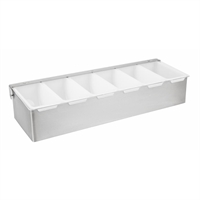
- Garnish Dispensers - add those fruity finishing touches
- Soda Syphons - fresh soda water in an instant
- Cocktail Accessories - cocktail sticks, straws and napkins



Cocktail Ingredients
Preparing and serving the perfect cocktail is about far more than choosing the right spirits. A mixologist needs a wide variety of cocktail ingredients from alcoholic and non-alcoholic drinks to sweet and savoury garnishes. Here is a recommended list of key ingredients you should always have in stock if you're planning to offer a cocktail menu.
Alcoholic
- Vodka
- Light and dark rum
- Scotch Whisky
- Bourbon Whiskey
- Gin
- Tequila
- Brandy
- Vermouth (Martini)
- Tia Maria
- Kahlua
- Bailey's
- Midori
- Blue Curacao
- Cointreau
- Creme de Menthe
- Creme de Banane
- Creme de Cacao
Non-alcoholic
- Orange Juice
- Cranberry Juice
- Pineapple Juice
- Lemon Juice
- Lime Juice
- Tomato Juice
- Cola
- Lemonade
- Soda Water
- Grenadine
- Cocktail Syrups
Garnishes
- Oranges
- Lemons
- Limes
- Pineapples
- Kiwis
- Cherries
- Olives
- Celery
- Salt
- Pepper
- Tabasco Sauce
- Worcestershire Sauce
TIP: Keep track of your stock levels by maintaining a thorough inventory. Carrying out regular checks will ensure you don't run low on any of your cocktail essentials. Check out our How to Manage a Kitchen Inventory guide for more tips and a downloadable inventory template.
The Benefits of a Cocktail Menu
The birth of the modern cocktail can be dated back to the 1860s when the book How to Mix Drinks or the Bon Vivant’s Companion was first published. Since then, the trusty cocktail has experienced everything from prohibition to the age of the Hiball and the cocktail renaissance of the past 20 years.
More and more bars are now offering a cocktail menu, even if it is a very basic range of easy cocktails. Whether you offer an extensive selection or a choice of four or five classics is largely down to your customer base and their expectations. If you want to keep it simple to begin with, you could start by offering a 'cocktail of the day'. However, there is certainly a demand to meet, so introducing a cocktail menu can bring with it a number of benefits to your business:
- Attracts new customers
- Increases profit margin
- Adds variety of choice for customers
- Opens up new marketing opportunities
- Social media potential
- Great for special offers and promotions
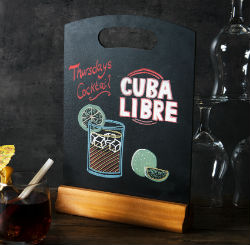
TIP: If you're creating a colourful cocktail menu, then make sure you promote it in a bright and vibrant way using chalkboard menus and chalkboard markers. Check out this video demonstration of How to Make a Chalkboard Sign for ideas and inspiration.
What Cocktails Can I Make?
The answer to this is simple - anything you like! That's the beauty of making cocktails. There are no limits to what you can create. You can go with some classic cocktail recipes, or you can be adventurous and try to invent your own unique drink.
Of course, coming up with your own cocktail recipe isn't easy. It can take up a huge amount of time, particularly if you're new to mixology. It is always best to start with simple cocktails so you can develop your understanding of these new skills. Have a go at this easy cocktail recipe to get some practice.
Cocktail Recipe - The Caribbean Cruise
1. Fill your cocktail tin or Boston Can three quarters of the way up with cubed ice
2. Use a jigger to measure 25ml of coconut flavoured rum
3. Add 25ml of golden rum
4. Add 50ml of pineapple juice
5. Attach your lid or Boston Glass and shake vigorously for 35 seconds
6. Remove the lid or Boston Glass and place your cocktail strainer on top of your cocktail tin
7. Fill a hi-ball glass with ice and pour your cocktail through the strainer into the glass
8. Add a dash of grenedine syrup
9. Garnish with a wedge of fresh pineapple and a couple of pineapple leaves to complete the look
Simple Cocktails
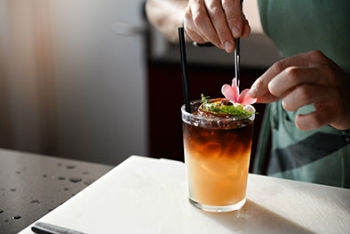
You could also experiment with a Cuba Libre, which is one of the easiest cocktails to make and is essentially just a rum and coke. Simply add a splash of cola to a dark rum and serve over ice and a few wedges of lime. A squeeze of fresh lime will balance out the cola's sweetness. A Cuba Libre is best served in a hi ball glass.
A similar but equally simple cocktail is the Dark n Stormy which features a mix of dark rum and ginger beer, served over ice and lime and finished with a squeeze of lime juice. Like other Southern Comfort or Bourbon-based cocktails, this southern American-style drink looks fantastic in a mason jar glass.
A Sangria is Spain's most popular punch, which combines red wine with citrus flavours. Mix three parts wine with two parts lemonade and one orange juice for a brilliant Sangria that won't break the bank. Garnish with plenty of chopped fruit for the perfect look. Sangrias are great for sharing if you serve them in a glass jug or carafe.
A Martini is another classic cocktail that is easy to make. Requiring equal parts of gin and vermouth, serve it in a Martini glass and garnish it with an orange peel twist or an olive. James Bond famously wanted it shaken, but many prefer it stirred!
BROWSE ALL COCKTAIL ACCESSORIES