How to Reduce Food Waste in Restaurants
Food waste is a significant problem that impacts both your profitability and the wider environment. This guide gives a full picture of food waste in the Australian food industry, and advice on food waste reduction strategies.
If you run a food service business in Australia, going green should be high on your list of priorities. There's the bigger picture of not harming the planet as well as the possibility to increase your profit margins and efficiency.
Both the United Nations and the United States of America have committed to reducing food waste by 50% by 2030. Australian businesses in the hospitality sector need to step up to meet global standards when it comes to food waste. They simply can’t afford not to.
Keep reading for detailed tips according to your specific establishment, as well as local and state government incentives and training, information on food recovery services, and much more.
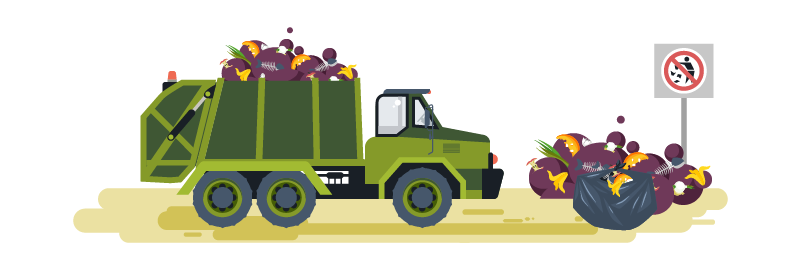
A Picture of Food Waste in Australia and the World - Statistics and Facts
What is Food Waste?
Food waste refers to anything edible that is discarded or uneaten. Food loss, on the other hand, is food that is disposed of in the earlier stages of preparation including harvest, storage and transportation.
Food wastage is a huge issue, not only in Australia but across the world. It has many impacts - financial, environmental and social damage all occur as a result.
To come up with the best food waste solutions, it is important to form a picture of food waste in Australia as well as in other countries such as the United States and United Kingdom. How much edible food in Australia is not eaten every year? How much money is lost as a result of food wastage? How does this impact the environment and a business?
Food Waste Statistics
AUSTRALIA
- Food waste costs the Australian economy $20 billion each year, according to government estimates
- It is estimated that Australians waste up to 20% of the food they purchase - this is the same as throwing out one of every five bags of groceries you buy
- 361kg of food waste per person is the average amount of food wastage per year
- That's about 4.2 times the weight of the average Australian male. It means that every day, every person wastes nearly 1kg of food
- The Commercial & Industrial sectors in Australia generate around 1.9 million tonnes of food waste annually. The Australian food industry accounts for around half of this figure, of which 78% ends up in landfill
- $1,036 is the average amount of money that Australian households lose per year due to food wastage
- It is estimated that between 20% to 40% of fruits and vegetables in Australia are wasted due to the high aesthetic standards of supermarkets
- Australia produces enough food to feed approximately 60 million people, way more than our population of 25 million. Despite this excess of food, two million people in Australia rely on food relief every year
- More than 5 million tonnes of food end up in landfill annually which is equivalent to filling up 9,000 Olympic sized swimming pools
- Food businesses in NSW dispose approximately 30% of their food
- Only about 10% of food waste is composted which leaves the remaining in landfill
- 62% of waste in cafés and restaurants are food waste
- 5 million Australians have experienced food insecurity in the past year with 3 in 10 people going without food for a whole day once a week
GLOBAL
- So much food is wasted and lost each year that, if 25% of this food is reclaimed, it could feed 870 million hungry people across the world
- 30% of food in the U.S. equating to approximately $72 billion is disposed of annually
- 278kg of food waste is produced per person each year in the USA
- 168kg of food waste is produced per person each year in Turkey
- 157kg of food waste is produced per person each year in Japan
- 32% of food bought in the UK is not consumed, however about 88% of this is collected by local authorities
- Approximately 33% of food produced either goes to waste or is lost, which costs the global economy nearly $1.5 trillion each year
What is the Impact of Food Waste?
There are a number of reasons to try to cut food loss from our way of life. Broadly, they can be categorised into benefits for the planet and benefits for your wallet.
The Environmental Impact of Food Waste
As well as the loss of edible food, food waste also represents a waste of water, energy and resources used to produce the food. When organic waste rots in landfill, methane gas is produced, which has an adverse effect on the ozone layer and our environment. Methane is 25 times more toxic than the carbon dioxide of car exhaust fumes.
Australian households create similar amounts of greenhouse gas emissions to those generated by the steel and iron ore industry. Every year, food waste from Aussie homes creates 5.25 million tonnes of CO2-e. To give you an idea of the scale and the importance of this number, the steel and iron ore industry generates 5.5 million tonnes of CO2-e annually. Remember, this figure does not include food waste in the restaurant or catering industry, so overall food waste accounts for even more CO2 emissions than this industry.
Globally, food waste is responsible for 8% of total greenhouse gas emissions. In addition, 1.4 billion hectares of land is being used globally to grow food that is wasted and lost, which is equivalent to one third of the world's agricultural land area.
The Economic Cost of Food Waste
Research from the Australian Bureau of Statistics shows that catering and food service businesses pay between 25-37% of their total expenses on buying the food and beverages they sell. This is a huge percentage of total expenditure.
If even more than a third of your total money spent is on food, then taking steps to reduce what is wasted could see your profits soar. Each year food waste as a whole in Australia costs the Australian economy $20 billion.
The Social Impact of Food Waste
There are definite social implications at play when some people can afford more food that they can eat, and others cannot. The Food Bank Organisation reports that in the last year 21% of Australians have been in a position where they have run out of food and are unable to purchase more food.
They also found that, at least once a week, approximately 55% of food-insecure people skip a meal and about 50% of food-insecure people reduce the size of their meals to make it last further. The fact that such gross excesses and mismanagement of food production can take place while some people struggle to eat shows that steps need to be taken for a more equal future.
Can We Cut Our Food Waste?
The good news in this alarming picture is that, with just a little bit of mindfulness and effort from the Australian food industry and individuals to reduce their food waste, the results would be huge.
Now it's time for a super positive statistic! If every Australian reduced their personal food waste by just a single slice of bread, we could save up to 711,429kg of landfill every year. That's a huge amount of greenhouse gas emissions cut from our atmosphere.

How to Conduct a Food Waste Audit
As mentioned earlier, it is of the utmost importance that we fully understand the bigger picture of this issue in order to come up with food waste solutions. But hardly any businesses monitor what they don't use.
According to the RMIT Watch Your Waste project, only around 22% of businesses in the food sector monitor how much food waste they produce. This is surprising, because reducing food waste can increase the profits of a food service business so vastly.
The following section will outline two routes you can take to conduct a food wastage audit in your hospitality business.
The first method involves using free food waste templates from the Food Loss and Waste Accounting and Reporting Standard. These templates go into depth, and have the added benefit of contributing your data to a worldwide research project to understand food waste management and how to reduce their adverse environmental impacts.
The second method is an easy suggestion on how to measure your food waste on your own, in only three simple steps. You can write out your own results in a physical table or in a simple computer spreadsheet.
Method 1: Download Free Food Waste Templates
If you want to conduct a waste audit for your establishment and contribute valuable data to understanding food wastage, connect with the Food Loss and Waste Accounting and Reporting Standard. The FLW is a multi-stakeholder organisation that provides a global standard for reporting and quantifying food waste. It was released in 2016 at the Global Green Growth Forum following the world-wide understanding that food wastage is a paramount issue for business and environmental support.
The FLW provides free spreadsheets designed specifically for any business to figure out their food wastage. Once you understand your position, you can then come up with targeted food waste reduction strategies and increase the efficiency of your business.
You can find all the information needed to ensure your data follows the correct rules in this FLW Standard FAQs section. Free food wastage management templates are available to download from this FLW Resources page.
How to Conduct a Food Waste Audit
As mentioned earlier, it is of the utmost importance that we fully understand the bigger picture of this issue in order to come up with food waste solutions. But hardly any businesses monitor what they don’t use.
According to the RMIT Watch Your Waste project, only around 22% of businesses in the food sector monitor how much food waste they produce. This is surprising, because reducing food waste can increase the profits of a food service business so vastly.
The following section will outline two routes you can take to conduct a food wastage audit in your hospitality business.
The first method involves using free food waste templates from the Food Loss and Waste Accounting and Reporting Standard. These templates go into depth, and have the added benefit of contributing your data to a worldwide research project to understand food waste management and how to reduce their adverse environmental impacts.
The second method is a simple suggestion on how to measure your food waste on your own, with only three steps. You can write out your own results in a physical table or in a simple computer spreadsheet.
Method 1: Download Free Food Waste Templates
If you want to conduct a waste audit for your establishment and contribute valuable data to understanding food wastage, connect with the Food Loss and Waste Accounting and Reporting Standard (FLW). The FLW is a multi-stakeholder organisation that provides a global standard for reporting and quantifying food waste. It was released in 2016 at the Global Green Growth Forum following the world-wide understanding that food wastage is a paramount issue for business and environmental support.
FLW provide free spreadsheets designed specifically for any business to figure out their food wastage. Once you understand your position, you can then come up with targeted food waste reduction strategies and increase the efficiency of your business.
You can find information on the FLW Standard to ensure all the data follows the same rules here:
http://flwprotocol.org/flw-standard/faqs/
You can find your free food wastage management templates from the FLW here.
http://flwprotocol.org/flw-standard/tools-resources/
Method 2: How to do Your Own Simple Food Waste Audit
If you are pressed for time or don’t use a computer much in your establishment, there is a simple way to check your food waste. If you’d rather go DIY with your food wastage audit, just follow the basic steps below:
- Get your staff informed and involved. Get your staff informed and involved. For a food waste audit to go well, you’ll need the support and engagement of your employees for accurate results. Plus, if you can get your staff interested early, your food waste solutions will run all the more smoothly later on.
- Measure your food waste accurately. Separate your waste into 3 categories and use standard weighing techniques across the board. To do
this, simply categorise your kitchen bins, and weigh them at
the end of the shift or service. This will help you strategise your waste reduction plan, and give you a more detailed picture about where exactly food is getting lost
unnecessarily.
Organic food waste broadly falls under 3 categories:
- Waste from storage
- Waste from preparation
- Waste from your customers' plates
- Compare your wastage results with your business activity. Once you’ve weighed the bins, record the weights against the number of people you served during the shift. This is your base data that you can use as a reference point as you move forward with your waste reduction plans. These important numbers will let you know what works and what doesn’t. You can also use these numbers to see how you stack up against industry waste minimisation benchmarks.
Now that you have the basics down, you are ready to conduct food waste audits and monitor just how effective your reduction strategies are.
After your first audit it will all become a habit, and part of the way your business is run.
How Your Food Service Business Can Reduce Waste
Waste Management Basics
To reduce food waste, keep the following principles in mind and you can’t go too far wrong. Using the well known ‘Three Rs’ strategy, you can turn your food wastage completely around:
- Reduce — You can stop food waste by pre-planning your food orders and only buying what you need, and by offering portion sizes that won’t end up as plate waste
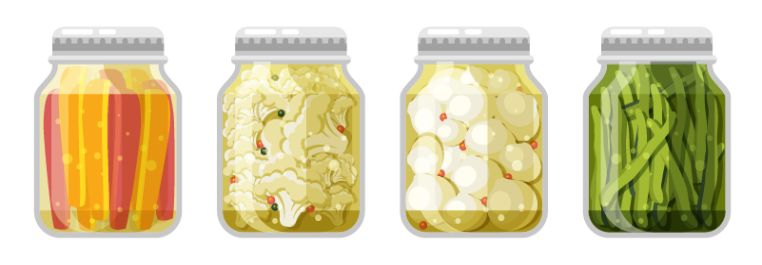
- Reuse — Think of second uses before throwing food into landfill. For example, vegetable peels and meat bones can be thrown into a professional stock pot, to make high quality and versatile stocks. A collection of preserving jars in a variety of sizes makes creating your own preserves and pickles easy; the resulting house-made product can be an attractive selling point and addition to specials. You can also donate food you know you won’t use to organisations that can distribute it to people who will.
- Recycle — Spoiled food can be utilised in a better way before it heads straight to landfill. If your food has already turned, consider creating compost or fertiliser from it before you throw it away
Policies to Reduce Food Waste in Your Business — What and How to Implement
Stop creating excessive organic waste that cuts into your profits with the following strategies. For best results, ensure your food waste audit includes checking that each of these points is up and running in your business. Make food waste management at least a monthly business activity to monitor, with checklists and quantitative measurements to ensure the job is done right.
Control Your Temperatures
End bacteria spoiling your food by using the right temperatures in both preparation and storage. Key temperatures include reheating to a core temperature of at least at least 70°C for 2 minutes, keeping fridges between 1–4°C, and freezers below -18°C. Safe holding temperatures for hot food should be above above 63°C, and cold food below 8°C.
All commercial refrigeration should be monitored daily and kept well maintained. The breakdown of fridges and freezers can lead to a huge loss of stock if not picked up on quickly.
Avoid Huge Portion Sizes
People love to be full, but they also hate wasting food. Don’t force your customers to feel guilty about leaving food on their plates. Instead, offer a reasonable plate size that will end up in their belly instead of the bin. Using interesting and beautiful restaurant crockery can create the illusion of a filled plate, even if a serving size is relatively small. Train your wait staff to advise on ordering amounts and offer takeaway food containers for anything left over. For meals where it’s possible, environmentally friendly takeaway containers can be used.
Label Your Food
No more mysterious containers should live in your cool room! Use professional food labels for everything, and include the dates of when you made or opened stock, so staff know what to use with priority.
Manage Your Stock Mindfully
A way to ensure you use everything you have is to do regular stocktake of your pantry, storeroom and fridge — including the expiry dates. Using correct storage methods, such as airtight food storage containers and ingredient bins, will help stock stay fresher for longer. Managers, supervisors, chefs and kitchen staff should all be trained in the ‘FIFO’ rule – First In, First Out. This means rotate the inventory so the stock with the most imminent use-by date will not go to waste.
Test Your New Menus Before Ordering Ingredients You May Not Use
The food world is full of fickle trends, but before you jump on the latest fad ingredient, make sure your customers will actually order it. Fad ingredients tend to be expensive, so it’s a good idea to make sure it will sell before you stock up too much.
Don’t Go Shopping Without a Plan
Pre-planning your orders and shopping trips ensures you won’t over-buy or stock up on things you don’t need. Before purchasing anything, figure out what ingredients each dish requires and the quantities you need. A pre-meditated shopping plan significantly reduces food wastage in the storeroom. Even if deals are offered or there are ways to save if you buy in bulk, it won’t be save you money if the ingredients don’t get used.
Work With Food Rescue Organisations
Chances are, you can take advantage of an organisation who are more than happy to redistribute your unwanted food. Research and make contact with the food rescue organisations in your area so you are aware of their processes for picking up excess food. Once you know how it works, you’ll be more likely to reach out next time you accidentally over-order or over-cater an event. Try established food rescue organisations OzHarvest, Food Rescue and Second Bite.
Alternative Uses for Unused Food
Donate Your Food
Charities and not-for-profit organisations exist to redistribute your food to those who need it. The Civil Liability Amendment (Food Donations) Act of 2002 limits the liability of individuals and businesses providing they meet certain food safety standards.
Use a Food Waste Collection Service
Connect with a licensed service or business that processes food waste to ensure it gets put to good use. This is a good option if your unwanted food is past the point of acceptable consumption, or if you don’t have the capacity for compost or something similar. When selected your contractor, choose to work with an EPA-approved facility by checking the public register.
Make Your Own On-Site Compost System or Worm Farm
Having a compost bin, worm farm, or an in-vessel composter is a good way to reduce the volume of waste on site and help create rich soil. Check with your local council before you set one up, and keep in mind that certain foods are not acceptable for worms or compost bins (including seafood, onion, garlic and meat).
Use Recycling Equipment
You can purchase your own small scale recycling equipment and reduce your kitchen waste disposal on site. Macerators and rapid decomposition or dehydrated food waste containers are popular choices. Macerating is the process of turning solid food into pulp that can be picked up by a licensed commercial composting service. Rapid decomposition or dehydrated food waste containers require sewage hook-ups and a filter for the fumes. Check with your local Council to see the licensing or permit requirements for small scale recycling equipment in your area.
Livestock and Chicken Feed
While some foods are acceptable to feed to chickens or livestock, you need to make sure you are not giving any food that has made contact with meat products, or you could risk increasing disease in the animals. Some foods such as citrus also retains chemical residue, which is also not acceptable in stockfeed. Get in touch with your state Department of Primary Industries to check the regulations on what food waste can be safely given to animals.
Assistance With Reducing Your Food Footprint

This section outlines the organisations that will help you on your way to better food waste practices.
State Government
New South Wales, Victoria and South Australia have a range of assistance on offer for improving food waste management. These include financial incentives for using alternatives to landfill for organic food waste, free food waste education programs, awareness initiatives, and public grants. Australian states and territories also have added levies for disposing of food waste in landfill, and use this money to support organic waste management and recycling.
Find the information for your state below:
NSW: http://www.lovefoodhatewaste.nsw.gov.au/
VIC: http://www.lovefoodhatewaste.vic.gov.au/
SA: http://www.zerowaste.sa.gov.au/at-home/food-waste
Private Food Recycling Services in Australia
Popular food recovery services stop a lot of food from going to landfill such as Foodbank, OzHarvest and SecondBite.
Australian food processing and retail industries have created their own targets for cutting food wastage. The Australian Food and Grocery Council has a target to reduce food waste by 40% by 2020.
Alternative options for the Australian food service industry
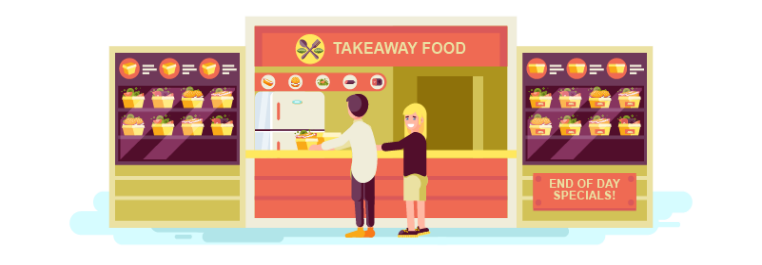
Technology now and especially in the future will increasingly pay a part in reducing food waste. Apps such as Y Waste in Australia offer benefits to both consumers and businesses by giving food vendors the chance to sell surplus food at the end of the day for a considerable discount.
Innovate and create your own food wastage solution. It’s unlikely that anyone from the above services knows your business and your neighbourhood like you do. Can you think of who could benefit from your food refuse? Get out there with the community and see how you can transform waste practices into something profitable and productive for your business and the world.
FAQs
What is food waste?
Food waste is classed as any edible food that is left uneaten and then disposed of.
Why is food waste a problem?
Food waste has a big impact on the environment and economy, not to mention the social cost of having so much edible food wasted while so many people can't afford to eat.
How does food waste affect the environment?
Food waste is about more than just the loss of edible food. It also wastes the water, energy and resources used to produce the food in the first place. When organic waste rots in landfill, it produces methane gas which is 25 times more toxic than the carbon dioxide from car exhaust fumes.
How much food does Australia waste?
More than 5 million tonnes of food waste ends up at landfill every year, according to Australian Government statistics. The Government estimates that this waste costs the Australian economy $20 billion per year.