
Customer Experience in a Post-COVID 19 World
The ongoing COVID-19 pandemic is having a huge impact on tourism, global travel and the hospitality ecosystem. There is certainly a 'new normal' that is being sculpted for many industries - one that is urging all businesses to try and adapt to new customer expectations.
Ever-adaptable reopening strategies have been a hot topic of discussion between restaurants and regulatory authorities. These plans have included anything from transparent screens at the cashier point to limiting the number of customers at each table or making better use of outdoor dining opportunities.
It doesn't stop there. Training employees in new health and safety regulations has become an urgent priority, while the need to shift to contact-free interactions via digital menus, mobile ordering and payment has dramatically accelerated.
Customers in the COVID-19 age are more aware than ever of hygiene, health and safety. This means there is an added responsibility for the catering industry to inspire greater confidence and comfort in their guests when they do come back.
With that in mind, what are some of the adaptations implemented during COVID-19 that could benefit hospitality businesses in the long term? How can you best meet this new set of customer expectations?
How Can Bars and Restaurants Adapt?
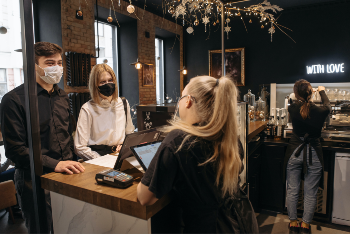
First off, if you're running a successful bar or restaurant, you'll need to have the health and hygiene aspect ticked off.
Already, new requirements and regulations have transformed the way you run your business, and these rules will be here to stay for a long while yet. Customers are now even more conscious of slightly unkempt washrooms, and expect to see hand sanitiser dispensers throughout your venue.
Other key regulations you'll need to ensure you're meeting include the Australian government's COVIDSafe plan which, among many other things, requires all food business operators to have proper ventilation - the introduction of fresh air and removal of stale air from a space, in order to limit the spread of viruses.
Now more than ever, customers are better educated about such measures and would expect this to be the norm. Government officials will also be holding businesses more accountable for such systems to be in place moving forwards.
There are ways in which you can reassure your customers, even after COVID-19 restrictions are lifted, that you still care for them and their safety. What can you do to provide your guests with that peace of mind?
Maintain Your Cleanliness Standards
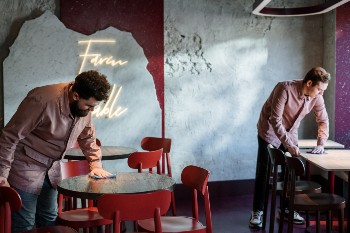
Keeping your premises tidy is more important now than ever before. In your hurry to get back to 'business as usual', it's essential you don't overlook cleanliness by putting less emphasis on your cleaning products budget or cleaning hours allocation.
You can't afford to do that! Customers everywhere will need time to trust public spaces again and, if you want your business to thrive, you should help them trust you. Here are three tips to get you started:
- On top of your in-house cleaning staff, hire a deep cleaning company every quarter for them to keep your restaurant clean.
- Implement a cleaning roster for all your staff members, helping to emphasise a collective importance on cleaning and maintaining impeccable hygiene at all times.
- Most importantly, communicate your efforts to your guests. Having signs displaying your cleaning schedules, or even highlighting your hygiene procedures on order receipts, is a great way to inform guests of your new-and-improved standards.
TIP: You can write attention-grabbing messages on all kinds of chalkboards, from tabletop and wall-mounted ones to large A-frames for footpaths and outdoor spaces. Using a colourful set of chalkboard markers is guaranteed to catch the eye!


Multibuy savings


Reduced Price

Which Social Distancing Operations Are Worth Retaining?
Pay-at-Table
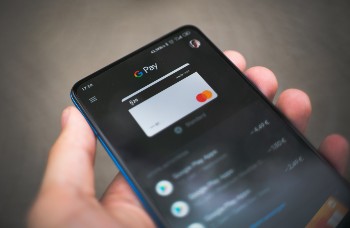
Pre-pandemic, contactless payments were one of the innovations that had really started to gain momentum. It saves time for both the customer and the business operator when it comes to settling the bill or entering their PIN number. Now, with customers demanding more hygienic and time-efficient ways to pay, tap-and-go technology is definitely here to stay.
E-receipts
Many businesses had already adopted e-receipts in place of traditional paper receipts as part of a transition to a more eco-friendly way of working.
Sending store receipts to your guests' email addresses is a great way to build up your own customer database. This makes it easier to inform them of any promotional deals, as well as new drinks or dishes you may be adding to your digital restaurant menu.
TIP: If you're looking for innovative new ways to reach out to your customers, this guide to using Beacon Technology explains how easy it is to use wireless networks and keep it contactless.
Mobile Check-Ins and Digital Menus
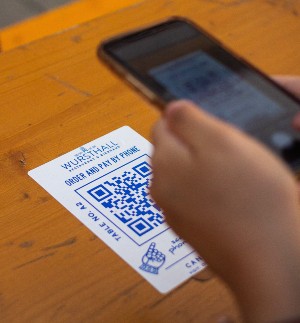
Mobile check-ins will reduce queues and wait times, and also make contact tracing far more effective. They help your staff confirm customer arrivals easily, and will quickly coordinate table allocations.
With such a raised awareness of safety rules and regulations following COVID-19, even the most digitally resistant guests are now more comfortable using their phones when visiting a bar or restaurant.
Mobile check-in apps can also help provide faster assistance and an improved service for guests - you can set them to display your menu right after your customers check in.
Table Condiments 2.0
Removing salt and pepper sachets or dispensers from shared areas is a simple but effective measure to limit the potential spread of germs. At the same time, re-thinking how condiments are distributed by only providing them when requested helps to minimise food waste too.
Not all cuisines require condiments to be on each table - allowing them to be optional extra goes a long way towards a more sustainable practice.
Takeaway and Delivery Services
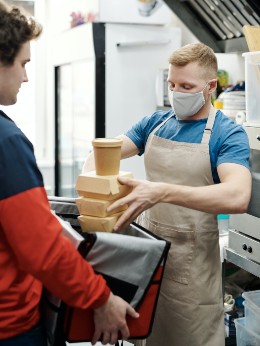
While restaurants with pre-existing delivery channels had to find ways to improve their services, those who had never specialised in takeaways (or worked side-by-side with food delivery companies) quickly had to adapt if they wanted to survive during lockdown.
Establishing a quick and successful food delivery service means accepting phone and online orders, delivering food while it's still hot and setting up an online payment option. However, the rise of online food delivery apps has made this easier than ever for restaurants and bars.
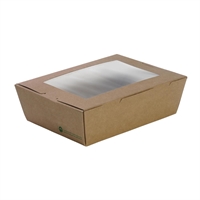
TIP: To keep meals hot and fresh until they reach your customer, make sure you choose a food delivery bag with excellent insulation that retains heat while letting moisture escape - this prevents your food from becoming soggy. Your takeaway food containers must be strong and robust too, to protect it from damage while on the move.


Multibuy savings





Multibuy savings

Multibuy savings
Preparing for a Post-Pandemic World
So how are restaurants and bars in Australia preparing for a post-pandemic world? Mary's Pitt Street venue offers a digital restaurant menu on Deliveroo, including extra vegan options - extending the number of dishes they offer to appeal to a much larger customer market than ever before.
At Porch and Parlour, North Bondi, customers can now order from the full electronic menu through the Hey You app, avoiding queues and close contact with others.
Yellow and Monopole in Potts Point, Fred's in Paddington, Mr. Wong in Sydney's CBD, and Ester in Chippendale are just a few of the fine dining restaurants offering takeaway services for the first time, bringing fine dining to people's homes. This is no regular takeaway!
In such a short space of time, the COVID-19 pandemic has forced the hospitality sector to reevaluate what customer experience and care implies. While we might not be using disinfectant every hour at home, public spaces will be put under far more scrutiny.
Above all, it's essential to remember that we'll continually need to learn and adapt, considering things that haven't been considered before.
Tim Calkins, a clinical professor of marketing at the Kellogg School, sums it up perfectly: "When constraints go away, or we are met with new constraints, all of a sudden we can try new things."