
Colour Coding For Cleaning
Colour coded cleaning is a system adopted by commercial businesses to reduce the risk of cross contamination within their premises. This system can be applied to all reusable cleaning equipment from mops, buckets and handles to spray bottles, cloths and gloves.
Your cleaning colour coding will help you instantly identify which cleaning supplies should be used in designated areas of your business. As per the NSW Health Policy Directive, this clear identification is considered the most effective method of restricting equipment to individual areas.
What is Colour Coded Cleaning?

Colour coded cleaning is the process of assigning colours to your reusable cleaning equipment, for use in designated areas of your premises.
By restricting the use of this equipment for specific parts of your venue, you'll significantly reduce the risk of cross contamination.
An efficient cleaning colour coding system is essential in any industry where health and safety is paramount, but particularly in catering and heathcare settings.
For best practice, separate cleaning equipment such as cloths, sponges and mops should always be used in areas where food is stored, handled or prepared.
By assigning high visibility colours to your cleaning supplies, you'll ensure they are instantly identifiable for use in a designated area.
For example, when cleaning your kitchen floor, you wouldn't want to use a mop head that had previously been used to scrub your bathroom floor. Introducing colour coding for cleaning would eliminate this risk.
TIP: You can also use a colour-coded system when prepping your ingredients. Check out this Colour Coded Chopping Boards Guide to find out how to reduce cross contamination during meal prep.
What Colours Should I Use?

The five main colours used to identify your cleaning equipment are red, green, blue, yellow and white. The NSW Government's Cleaning of the Healthcare Environment Policy Directive details which colours should be used in which setting:
- GREEN: Kitchens, food preparation areas, food service areas
- BLUE: General cleaning, offices, low risk areas
- RED: Toilets, bathrooms, washrooms, dirty utility rooms
- YELLOW: Infectious areas, isolation areas
- WHITE: Clinical areas, operating theatres
For this system to work, you will need to assign different colour coded mops and buckets to each area, as well as all the other cleaning equipment you'll need - from cloths and wipes to brushes and gloves.
GREEN CLEANING SUPPLIES BLUE CLEANING SUPPLIES RED CLEANING SUPPLIES YELLOW CLEANING SUPPLIES WHITE CLEANING SUPPLIES


Multibuy savings


Where is Cleaning Colour Coding Used?

The colour coordination of cleaning products can vary from business to business and the system you choose is entirely up to you. However, the above guide is the most broadly accepted system that most catering establishment adhere to.
The colour you assign to each area is your choice, so long as your staff members are trained on the system you choose. There are, however, laws and regulations for healthcare establishment that must be followed to ensure patient care.
All green products can be used in the kitchen or other food preparation areas. This is the equipment you and your team will use on a daily basis, whether it's mopping up a quick spill or carrying out other everyday cleaning tasks.
For lower-risk areas where food isn't handled, you can use blue cleaning products. These are perfect for general areas such as offices, hallways or corridors.
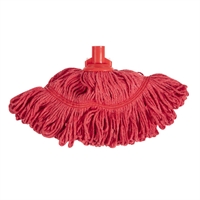
When it comes to cleaning your washrooms and toilet facilities, you should use red cleaning supplies. These can be used on floors and other surfaces in bathrooms, as well as toilets and showers.
In the system listed above, both yellow and white are predominantly used in healthcare settings, while the other three colours are applicable to any business.
TIP: Make sure your colour coded cleaning equipment is easily accessible and instantly identifiable at all times. You don't want to mistakenly use equipment designated for another zone, so ensure your staff are well trained and familiar with where these products can be found.

Reduced Price


Benefits of Cleaning Colour Coding

Using a single mop to clean every floor in a restaurant can potentially spread bacteria from the washrooms and toilets to kitchen and food preparation areas. This carries with it an inherent risk of cross contamination and consequently, illness.
Applying a colour coded system to segregate sensitive areas is the most efficient and effective way of reducing the risk of this cross contamination, and provides you with peace of mind that you're doing everything you can to ensure impeccable hygiene levels.
Cleaning colour coding is simple too - it's easy to identify the colours, and you can place posters or guides around your premises to promote the system among staff.
GREEN CLEANING SUPPLIES BLUE CLEANING SUPPLIES RED CLEANING SUPPLIES YELLOW CLEANING SUPPLIES WHITE CLEANING SUPPLIES

Reduced Price

Multibuy savings
