Chef Uniforms Explained
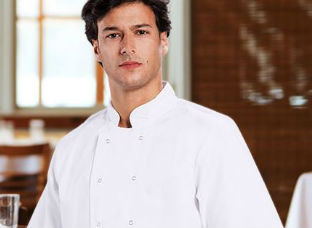
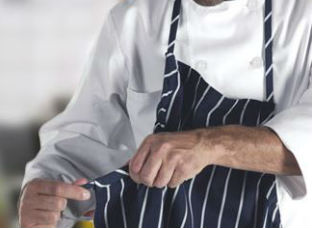
A catering business or restaurant, is only as good as its chef. It's a role which commands respect and your chef’s uniform should reflect that. It should be instantly recognisable, distinguishing you from other staff members.
When you’re buying a chef’s uniform for yourself and your kitchen staff, this investment should be made in consultation with the rest of your team, who best understands the specific requirements of their workspace and job.
What Does a Chef Uniform Consist Of?
There are various components that make up your chef clothing. Chef whites normally includes:
- Headwear
- Chef jacket
- Apron
- Neckerchief
- Chef pants
- Chef shoes
Chef Headwear
Traditional chef hats may have been more about rank and identity than comfort or functionality. The modern version of a chef’s hat has undergone some tweaking in design to comply with more stringent food hygiene regulations to make them more hygienic and secure, as well as easier to launder and maintain.

Improvements in functional design have seen a move towards chef caps — skull caps effectively control perspiration whilst preventing hair dropping into food. Let’s face it, a single hair (even a short one) in a meal can spoil a customer’s night and damage a restaurant’s reputation.
The best designs are those made from breathable fabrics such as 100% Thermocool to provide maximum ventilation. This keeps you comfortable whilst retaining a pleasing aesthetic.
A chef’s hat should be as light and comfortable as possible to avoid being a distraction whilst working. It should fit snugly and securely over your head, and some of the headwear we provide comes with adjustable straps to ensure the perfect fit.
For catering events where there is a fluctuating number of people working for you, single-use disposable paper toque hats are an affordable and practical way to ensure everyone is wearing suitable headwear.
Hair Nets
Food handlers are required to take all practical precautions to avoid contaminating food and food preparation surfaces. To minimise the risk of falling hair, restaurant kitchens should have a hair net or hat (or both) policy in place.
TIP: Staff are often reluctant to wear a hair net due to their appearance. Popping a skull cap over the top (available in a range of attractive colours) can be a quick solution.
Chef Jackets and Shirts
Chef jackets should be made from a substantial, superior quality, yet lightweight fabric, which combines comfort and safety. And when you’re working in a demanding kitchen the fabric and design of the jacket must be able to withstand a range of hazards including:
- Extreme heat
- Leaning or reaching over an open flame
- Boiling liquids
- Bursts of steam
- Razor sharp chef knives and kitchen utensils
Buying Guide: For more information about the style, key features and materials of chef jackets, take a look at all the points you need to consider before buying a chef jackets.
Aprons
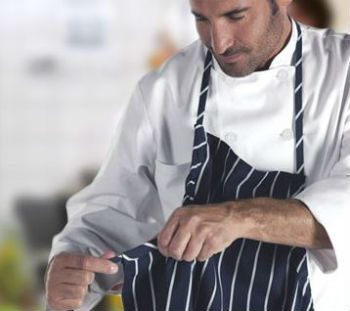
Hospitality uniforms are an investment worth protecting. The first and best line of defence is a quality apron. Easier, cheaper and faster to launder and iron than chef whites or hospitality uniforms, aprons perform a vital service in a food service establishment.
A functional apron will not only protect clothing from stains and odours but will bind clothing close to the body to prevent loose fabric from snagging or falling into food.
Front of house aprons can be used to raise the profile of a business through colours, logos and branding. Maintaining a well-stocked supply of crisp aprons will keep staff looking clean and tidy throughout their shift.
Buying Guide: Aprons are job specific and the level of protection and use, dictates the type of apron needed. Take a look at our apron buying guide for a detailed explanation of each apron we stock.
Neckerchiefs
The addition of an extra piece of clothing in a hot kitchen can seem a bit counterintuitive but a chef neckerchief or necktie serves the dual purpose of controlling perspiration whilst keeping you cooler.
With the advent of air conditioned kitchens, you may still choose to wear a neckerchief as it gives a more professional and finished look to chef uniforms.
Chef Pants
As with jackets, chef pants need to be made from high quality, durable fabric which is tear-resistant, lightweight and functional. Pockets should be easily accessible and strategically located.
The design should allow free and easy movement, and may include:
- Elasticated waist to maximise comfort and fit with drawstrings for added security
- Multiple pockets to allow quick access to pens, thermometers and mobile phones
Cut for unisex fit, chef pants are available to fit all shapes and come in slim fit styles along with roomier options to enhance mobility and air circulation.
TIP: Consider the advantages of airflow panels placed to the rear of the knee. These provide venting to keep the wearer cooler for longer, and maintain freshness.
Chef Shoes
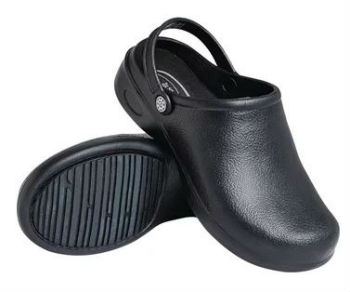
As you and your team often work long shifts and are constantly in motion, superior quality chef shoes and hospitality footwear are a non-negotiable staple within a commercial kitchen. Around 24% of accidental injuries in commercial restaurant kitchens can be directly attributed to improper footwear. Not only that, poor footwear can have lasting repercussions not just injurious to the foot itself and can also contribute to fatigue and/or pain in the back and legs.
Over the course of a day, a typical commercial kitchen will expose shoes to water, oil spills and dropping hazards. Tripping is also a substantial risk presented by poorly fitting shoes.
Buying Guide: When it comes to buying chef shoes this guide walks you through everything you need to consider before you buy your next pair.
Safety Shoes
For heightened protection in areas within high risk zones, safety shoes with reinforced toe protection and slip resistant soles are recommended.
Buying Guide: We have a detailed guide on protective clothing in the food industry to help you identify and improve areas in your business that could do with more safety workwear.
Care Guide
Maintaining the crisp, bright whiteness of chef uniforms requires particular care. When laundering, avoid chlorine bleach as this can risk yellowing the fabric. An oxygen based bleach is a better option to keep whites looking whiter for longer.
Ideally a chef would keep a spare uniform on hand. This would cover instances where a uniform may have been soiled by a substance such as red wine, which may require immediate soaking to avoid permanent discolouration. Should the jacket or pants become wet during a shift, it is handy to have a back-up to avoid working in discomfort.
TIP: All uniforms will eventually require replacement but keeping the old ones may provide a handy backup in case of emergencies or to keep the primary uniform pristine, when performing cleaning duties.
Article: For advice on removing stains from your chef whites take a look at this article: Keeping Chef Whites Clean.
Buying a Chef Uniform
If you're in the market for a chef uniform, what things should you be looking for to gain the most value for money?
A chef uniform is an investment in presenting your business in the best way so it should be the best quality available. It's not beneficial buy poor quality or low grade chef uniforms which may last only a single wash before becoming discoloured or misshapen.
Frequently Asked Questions
Why do chefs wear checkered pants?
Traditional chef pants are designed with a small black and white check pattern. And it’s this pattern that helps disguise any stains and dirt on your checkered pants.
What should a chef wear when working?
This depends on both the type of role you work in, and your preference.
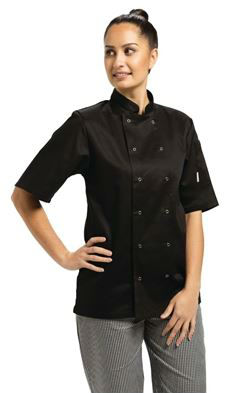
If you work over a hot stove you’re more likely to wear chef jackets with a full length sleeve and apron, whereas if you work in a food prep station you may prefer a short sleeved jacket without an apron.
Why do chefs wear neckerchiefs?
Traditionally, chef neckerchiefs were worn to catch the sweat on your neck in hot, stuffy kitchens.
But as catering equipment evolved and we saw an introduction of proper kitchen ventilation, you could say neckerchiefs are worn today as a nod towards tradition, or as part of your uniform to boost brand identity.
What is a chef jacket?
Chef jackets are an important part of chef uniforms. It protects you from potential hazards, such as direct heat from the open flames on your stove or hot splashes from gastronorm trays of oil removed from the oven.
There are plenty of styles available including long sleeved, short sleeved, single breasted and double. The type of chef jacket you buy is down to your personal preference, with some chefs having influence from the restaurant they work in.