
Commercial Fridge Buying Guide
A commercial fridge is far more powerful than the domestic fridges found at home. As one of the most frequently used appliances in a professional kitchen, commercial refrigeration needs to deliver consistent chilled temperatures in hot conditions, even when the doors are constantly being opened and closed.
The largest fridges have enough space to hold chilled food or ingredients worth thousands of dollars, so reliability is essential - any malfunction could be incredibly costly. When buying a fridge for commercial use, you need to be sure the unit you choose is the right one for the job. This buying guide will help you understand the different types of fridges, and key features you'll need to consider.
BROWSE ALL COMMERCIAL FRIDGESWhat is Commercial Refrigeration?
A commercial fridge is designed for far more frequent use in busy professional kitchens. A domestic fridge may only be opened a dozen times a day, while a commercial refrigerator could be constantly opened and closed over the course of a few hours.
When fridge doors are continually being opened, the unit requires a faster chill recovery rate and has to work far harder to maintain its storage temperature. As a result, commercial fridges are made with powerful compressors, far sturdier construction and are often fan-assisted - this makes them louder than domestic fridges too.
Types of Fridges
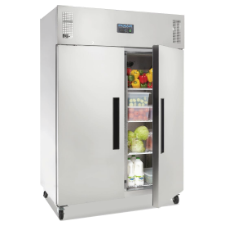
UPRIGHT FRIDGES
For maximum storage space, an upright fridge takes some beating. With the advantage of height, these commercial fridges can provide huge capacities without taking up too much floor space. A single door slimline upright fridge can fit into tight or crowded kitchen spaces, while wider double door models offer even greater storage capacity than almost every other type of refrigerator apart from walk-in cold rooms.
- Smaller footprint: Reduces the amount of kitchen floor space taken up by refrigeration
- More storage space: Larger capacities, especially if you choose a double door fridge
- GN-compatible: Transfer gastronorm pans directly from the fridge to other appliances
- Quick and easy access: Can be positioned closer to meal prep areas compared to walk-in fridges
- Adjustable shelves: Customised layouts to store any large food containers or bulky ingredients
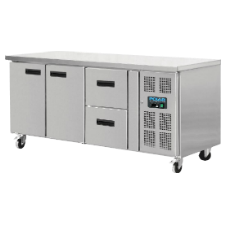
COUNTER FRIDGES
A counter fridge combines chilled storage with a reliable worktop for meal prep. A great solution for kitchens requiring additional work surfaces, these units are typically waist high and ensure essential chilled ingredients are kept within easy reach at all times. Counters are usually made from stainless steel - as well as being easy to clean and keep hygienic, they are also strong enough to hold other kitchen appliances.
- Under counter refrigeration: Makes efficient use of kitchen space with meal prep worktop included
- Versatile storage: Units are available with doors, drawers or a combination of both
- GN-compatible: Transfer gastronorm trays directly from the fridge to the oven range or freezer
- Variety of sizes: From small single door units to large four-door fridges, there is a model to fit any space
- Strong worktops: Tough enough to hold small appliances such as blenders, mixers or sous vide machines
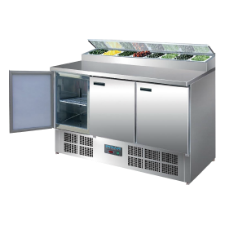
PREP FRIDGES
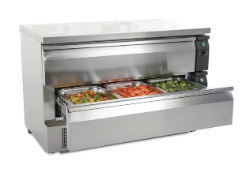
Very similar in design to a counter fridge, prep station fridges also combine convenient underbench storage with a handy work surface. However, these units offer even greater versatility by including countertop storage for ingredients, toppings or fillings. A prep fridge speeds up food preparation by having everything in one place - perfect for making salads, sandwiches or pizzas in particular. The reduced worktop space means there's less room to hold small kitchen appliances.
- All in one place: An under counter fridge with sturdy worktop makes efficient use of kitchen space
- Versatile capacities: Available with drawers, doors or a combination of both
- GN-compatible: Many offer gastronorm compatibility, so trays can be transferred directly from the fridge to other appliances
- Countertop storage: Handy gastronorm pan holders with lids for storing fresh salad, toppings or fillings
- Reliable worktops: Available in stainless steel or stay-cool marble - perfect for bakery or pizzeria use
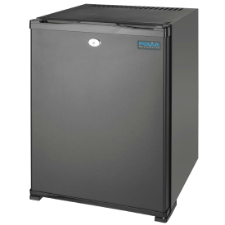
UNDER COUNTER FRIDGES
For kitchens with adequate worktop space, using an under counter fridge ensures no floor space goes unused. These practical units are compact and lightweight, designed to fit neatly under worktops so chilled ingredients can be kept within easy reach without obstructing counter space. These fridges have solid doors and quietly operate with minimum disruption - perfect for front of house areas or in less demanding commercial kitchens.
- Practical: Ideal for use as a secondary or front of house fridge
- Compact design: Single door under counter fridges are easy to position, while double door models increase storage space
- Virtually silent: A quiet fridge perfectly suited for hotel rooms or more intimate surroundings
- Countertop storage: Handy gastronorm pan holders with lids for storing fresh salad, toppings or fillings
- Energy efficient: Under counter fridges cost less to run than large fridges due to their small size

DISPLAY FRIDGES
A display fridge is an essential unit for keeping food and drink chilled while showcasing it to customers. These fridges and cabinets are designed with glass doors and interior lighting for maximum visibility. Positioned correctly, display refrigeration encourages impulse purchases and can make a huge difference to sales.
- Chilled merchandisers: Benchtop or freestanding models can be positioned anywhere to capitalise on passing trade
- Maximum visibility: Glass doors and glass cabinets ensure products are seen from multiple directions
- Easy access: Instant access for staff or customers in self-service areas
- Interior lighting: Ensures food and drink is seen even in darker or low-light venues
- Drinks fridges: In bars and clubs, bar fridges or wine coolers are perfect for displaying bottles or cans attractively
Buying Guide: For more information on choosing the best display fridge or merchandiser for your venue, use this Display Fridge Buying Guide for helpful tips and expert advice.

Commercial Fridge Sizes
Before you buy a fridge, two of the most important things to consider are size and capacity. What available room do you have in your kitchen? How much storage space do you need?
Fridge Sizes
Always check fridge size guides before purchase to ensure it will fit in your kitchen. Upright fridges take up minimum floor space but, with heights approaching two metres, you'll need to be sure your ceilings are high enough to accommodate them.
Under counter fridges usually have heights of around 850mm so they can fit under most standard worktops. Counter fridges may be a little higher, so it's worth checking that the counter height will be in the right position for comfortable meal prep - around waist height is the standard. Remember to consider whether the fridge is mounted on castor wheels when measuring up.
The length of these commercial fridges will depend on capacity and number of doors. The smallest under counter fridge may only be 600mm wide, while a big four-door counter fridge could reach three metres.
TIP: Commercial fridges require space between the unit and the walls for their ventilation system to work effectively. A 20cm gap is recommended for most models, so it is important to consider this when measuring your available kitchen space. If you're planning to position the fridge near a heat source, this gap should be increased even further.
Fridge Capacity
You should aim to buy a fridge with enough space to cope with your busiest service. Choose a fridge that is too small, and you'll risk food and ingredients going to waste. If it's too big, the fridge will take up too much kitchen space and will also land you with unnecessarily high running costs.
Due to their height, upright fridges tend to offer the greatest capacities. Some double door fridges offer in excess of 1,200 litres, while the narrower single door units tend to provide between 400 and 600 litres.
Counter fridge and under counter fridge capacities can vary greatly depending on the length of the unit and the number of doors. The largest three or four-door models can be as large as 900 litres, while the smallest and most compact single door underbench fridges will offer capacities of 150 litres for storing essential chilled goods.
TIP: All commercial units have an overall fridge capacity and a net capacity. It is the net capacity that refers to the total usable space of the fridge, so always oonsider this when choosing your model.
Commercial Fridge Features
As well as size and capacity, there are several other key features to consider when you're looking to buy a fridge.
- Tropical Rating: How hot can room conditions get in the planned location for your fridge? A commercial fridge's tropical rating refers to the highest ambient temperature that the fridge can operate in effectively. If temperatures in your kitchen are routinely climbing above 32°C, it's likely you'll need a tropical-rated fridge. The most powerful units will excel in conditions of up to 43°C.
- Energy Efficiency: The more efficient your fridge, the less it costs to run. Features such as additional insulation and self-closing doors will all help to save energy. Most solid-door commercial fridges will have an energy efficiency rating to help you decide.
- Automatic Defrost: The inside of a commercial fridge can get a build-up of ice over time. This will reduce the performance and lifespan of the fridge, so many professional units have a built-in auto defrost system which can be programmed to kick in when required. If there's no automatic defrost, you'll need to defrost the unit manually.
- Security: Contents stored in a commercial fridge can be highly valuable, especially if it is cuts of meat or fish. For peace of mind, it's worthwhile to invest in a unit with lockable doors to secure your stock.
- Doors: Self-closing doors help to save energy and are especially useful when you've got your hands full. Some fridges also have a pedal opening mechanism, so you don't even need to touch the door - far more hygienic.
- Access: How often will you need to access the unit? If you're only planning to open the doors infrequently, a lighter duty commercial fridge may be suitable. However, if you're constantly accessing the unit, you'll need a heavy duty model with a more powerful compressor to ensure storage temperatures are reliably maintained.
TIP: Polar Refrigeration uses three classifications which makes it easier to identify which fridge is best suited to your requirements. C-Series fridges are lighter duty units which don't need to be accessed regularly, while the G-Series and U-Series ranges contain medium and heavy duty models for more frequent use in demanding kitchens. Browse the ranges in this Polar Mini Shop.
Buying a Commercial Fridge - FAQs
What is refrigerant and what's the difference between each type?
Refrigerant is the fluid or gas used within a fridge as part of the refrigeration cycle. In a professional kitchen, it doesn't really make much difference if your unit contains R404, R134a or R600a refrigerant. The overall performance and capacity of the product is usually a far more important buying decision. However, some types of refrigerant are considered more environmentally friendly than others. R290 is widely considered to be the eco-friendly version, whereas other types of refrigerant often contain greenhouse gases.
How much power does a fridge use?
A standard domestic fridge typically has a power consumption of between 100 and 200 watts, however commercial refrigerators can be far more powerful. While the power consumption of some lighter duty commercial fridges may only be a little higher than this, the more heavy duty tropical-rated fridges can reach up to 900 watts.
The most energy efficient fridges tend to be smaller under counter models, but a lot of factors other than size can affect power consumption. Fridge compressors need to work harder in higher room temperatures, areas with poor ventilation or if the doors are being opened frequently. The age and condition of the fridge also has an impact - even worn seals around the door will make the unit less efficient.
What temperature should a fridge be?
Generally, the temperature of a commercial fridge should be set at around 0°C to 4°C to keep food safely chilled. Some fruit or vegetables will keep better at temperatures higher than this, while some other ingredients such as milk or dairy products can be more sensitive to freezing at lower temperatures. Using a fridge thermometer will help you monitor temperatures accurately and easily. Using a fridge thermometer will help you monitor temperatures accurately and easily.
Why is my fridge running too hot?
It is not necessarily a fault with the fridge. See this guide on How to Keep a Fridge Cold for steps you can take to improve your unit's performance.
How do I clean a commercial fridge?
Keeping your fridge clean and tidy is essential if you want it to perform at its most efficient for longer. Follow the steps in this How to Clean a Fridge guide to ensure your unit remains in top condition.
What are the best fridge brands for commercial use?
Polar Refrigeration is trusted worldwide for its range of commercial fridges. This brand features refrigeration for all professional requirements, from upright and counter fridges to display fridges, bar fridges and blast chillers. It even has three classifications to easily choose the right unit for your venue's needs. Browse the Polar Mini Shop for more information on C-Series, G-Series and U-Series refrigeration. Other leading commercial refrigeration brands include SKOPE and Williams.
Where can I find spares for my fridge?
There is a huge selection of spare parts available including shelves, compressors, door seals and more. All available spares are listed by brand in this Spares and Accessories category.