
Commercial Blenders
One of the crucial appliances for modern commercial kitchens, a blender can be used to mix and liquidise a range of food and drinks including soups, purées, sauces, cocktails, mashed potatoes and others. As a result these machines have become staple appliances for chefs and bar staff worldwide, with three distinct models available for commercial use: bar blenders, kitchen blenders and stick blenders. Each one of these three types offer different benefits, with their suitability dependent on the food you offer, the size of your business and the level of customer demand.
SHOP ALL BLENDERS >Bar Blenders
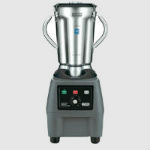
Bar blenders “ as their name suggests “ are typically found in bars, pubs or clubs. They are primarily used to crush ice for high-margin cocktails and smoothies. To do this they feature high power motors with resilient blades capable of blending quickly and frequently.
The size of the jug should equally match your expected demand, as pubs and bars that offer pitchers will need a high capacity container to provide multiple litres of drink. Because of this, certain high end commercial models like the Waring Commercial Blender can blend two cocktail pitchers simultaneously to maximise output.
Shop Bar Blenders >Kitchen Blenders
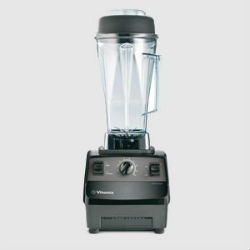
Occasionally referred to as a food blender, a kitchen blender is ideal for the blending of both food and drink. As a result it is perfectly suited for restaurant kitchens for producing pesto, purées, hummus and other forms of food which require firm and consistent blending.
Due to a kitchen blender’s ability to liquefy foods, they are also especially suited for care homes where patients may not be able to eat non-solid foods. Likewise they are sometimes valuable for schools where they can prepare batches of soup or other liquid-based meals.
These robust commercial units are capable of handling foods both hot and cold, making them highly versatile for anything from the production of soup to the crushing of particularly hard ingredients such as nuts and shells. To do so, kitchen blenders will feature the highest powered motors in the range, capable of handling the toughest ingredients.
Shop Kitchen Blenders >CHEF TIP: Certain bar blenders are specially tailored to also act as kitchen blenders for condiments such as salsa, sauces and dressings. If you are working in a Mexicana or Caribbean themed bar that offers smaller food alongside their drinks then investing in a blender such as this could save on a more expensive and potentially unnecessary investment.
Stick Blenders
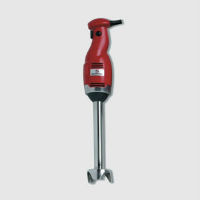
The newest form of blender, the stick blender is also sometimes called an immersion blender or a hand blender. As the title suggests these are hand-held devices that bring their own unique set of benefits, most obvious being their ability to be used in bowls and containers anywhere in the kitchen rather than having the bowl fixed to the blender.
Lightweight and easily portable, these units are perfect for mobile caterers or crowded kitchens lacking counter space. The shaft and blades are usually removable to assist with cleaning and allow you to attach accessories such as whisks like with the Robot Coupe Combi Power. Combine these benefits with variable speed control and you have a blender that can be used for many different tasks including mashing, puréeing, emulsifying and whisking.
Shop Kitchen Blenders >Blender Settings
Most modern blenders come with a variety of settings to assist when making separate types of food. Whilst each brand and model can offer its own distinct or specialised functions, here is a basic run-through of the functions you would find on a blender and what food/drink they are suited for:
Low “ If wishing to stir delicate ingredients such as batters, creams or mayonnaise then it is better to use a lower setting that won’t overwork the mixture. Also be aware that if you try to start blending tough ingredients on a higher setting, it may cause undue stress on the motor. Starting on a low setting can make the contents easier to blend on a high setting later.
High “ The most versatile and practical mode, high settings are used for preparing a variety of dishes, including puréeing soup, blending smoothies, chopping larger meats and vegetables or completely liquefying meals.
Pulse/Whip “ Use the pulse or whip setting only when blending something quickly and in a few short seconds, therefore making it the best option for crushing ingredients such as ice (make sure you use a bar blender for ice). Take note that it will only cut ingredients into smaller bits, it will not grind or mix them together.
Other Considerations
Regardless of which type you choose, there are some important features to consider, which really distinguish each individual blender:
- Capacity “ Ensure the jug or shaft is large enough to cover the expected demand of your establishment.
- Material “ Jugs can be made from polycarbonate or stainless steel. Stainless steel containers are more robust, capable of handling tougher ingredients and generally last longer but at the cost of being more expensive. If wishing to blend hot foods then steel is the preferred choice with it being extremely durable and capable of taking higher temperatures. You should also consider the fact that the lack of transparency means you cannot directly view your food during blending, making it impractical for foods that require precise consistencies. Remember to take price into consideration for replacement or additional jugs.
- Speed “ Blenders generally have either set speed options or a variable speed control ranging from 700-21,000rpm. The versatility of variable speed control allows more precision in the blending process depending on what you’re trying to produce.
- Noise “ If using the blender front of house or in an open kitchen, it's vital to reduce disruption to a minimum. Some bar blenders such as the Vitamix Quiet One come with an outer case that reduces noise levels significantly.